Anúncios
Have you ever wondered what it would be like to spend nearly a full day inside an aircraft, crossing time zones without making a single stop? Modern aviation has turned what once seemed impossible into an everyday reality for many travelers.
These ultra-long-haul international routes push the boundaries of engineering and change how we perceive time and space as we travel across the globe.
Anúncios
Today, we’ll explore how these flights work and what you can do to make your onboard experience much more pleasant and comfortable.
The engineering behind ultra-long-haul flights
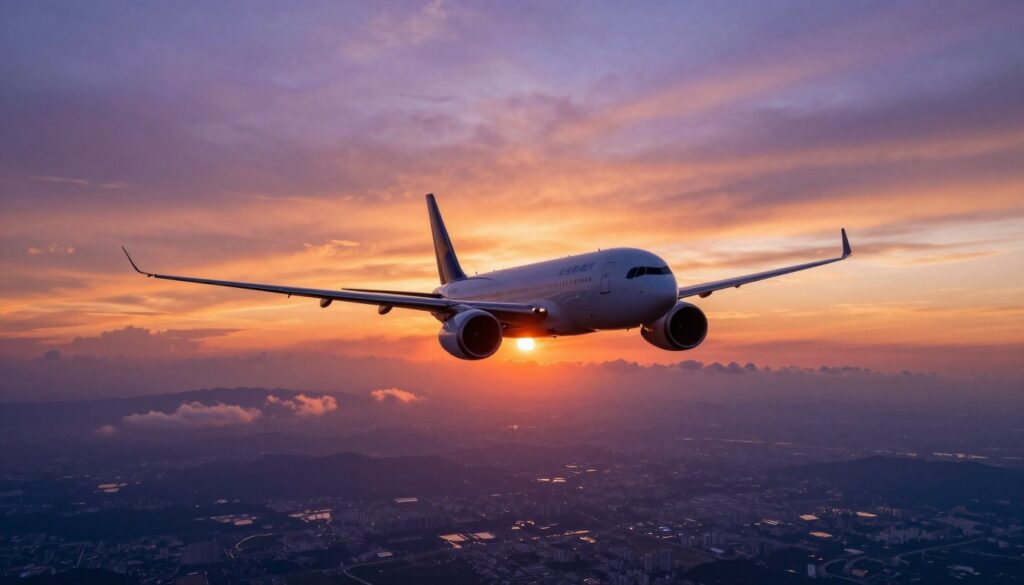
Flying for more than 15 consecutive hours demands a level of technical precision that goes far beyond the simple act of takeoff.
Commercial aviation has reached a new level of efficiency, allowing the longest international routes to become part of the routine for travelers around the globe.
Anúncios
This transformation was made possible by massive investments in aeronautical technology. Today, aircraft design focuses on reducing weight and increasing range without sacrificing passenger comfort or safety.
The evolution of the Airbus A350 and Boeing 787 Dreamliner
The Airbus A350 and Boeing 787 Dreamliner are the key players of this era. Both utilize advanced composite materials, such as carbon fiber, which make the aircraft structure much lighter and more corrosion-resistant.
These models also feature state-of-the-art engines designed to consume less fuel and produce less noise—factors crucial to making ultra-long-haul flights viable and allowing airlines to operate routes that were previously unfeasible.
How fuel planning determines route success
Flight planning is the heart of any long-haul air operation. Engineers and pilots calculate every gram of fuel required, taking into account winds, alternative routes, and the aircraft’s total weight.
Precise fuel planning ensures that commercial aviation reaches new levels of sustainability. This technical rigor shapes the future of aviation, making the longest international routes increasingly safe and economically viable.
Looking to the future of aviation, we see that aeronautical technology will continue to evolve. The goal is always to strike the perfect balance between range, efficiency, and the onboard passenger experience.
Singapore to New York: The world’s longest commercial flight
The route between Singapore and New York represents the pinnacle of modern aeronautical engineering, challenging the limits of both human and machine endurance while establishing itself as a milestone in ultra-long-haul aviation. The application of cutting-edge aeronautical technology allows passengers to traverse the globe with unprecedented efficiency.
The Singapore Airlines onboard experience
Traveling this route demands a level of service that goes beyond the conventional. Singapore Airlines has designed every detail to transform an exhausting journey into a memorable and comfortable flight experience.
Attentive service from the crew helps alleviate the sense of isolation during the nearly 19-hour journey.
Passengers find themselves in an environment where time seems to pass differently. The focus is on keeping travelers rested and well-fed, ensuring they arrive at their destination feeling as refreshed as possible.
Cabin configuration focused on passenger well-being
Onboard well-being is the top priority in the design of these specific aircraft. The cabin layout is designed to minimize extreme fatigue, utilizing lighting systems that simulate natural light cycles to help the body adjust more effectively to time zone changes.
Furthermore, the interior space is optimized to provide greater comfort and improved air circulation. Every element—from seat ergonomics to controlled humidity levels—works in unison to elevate comfort standards on such long-haul journeys.
Doha to Auckland: Connecting the Middle East to Oceania
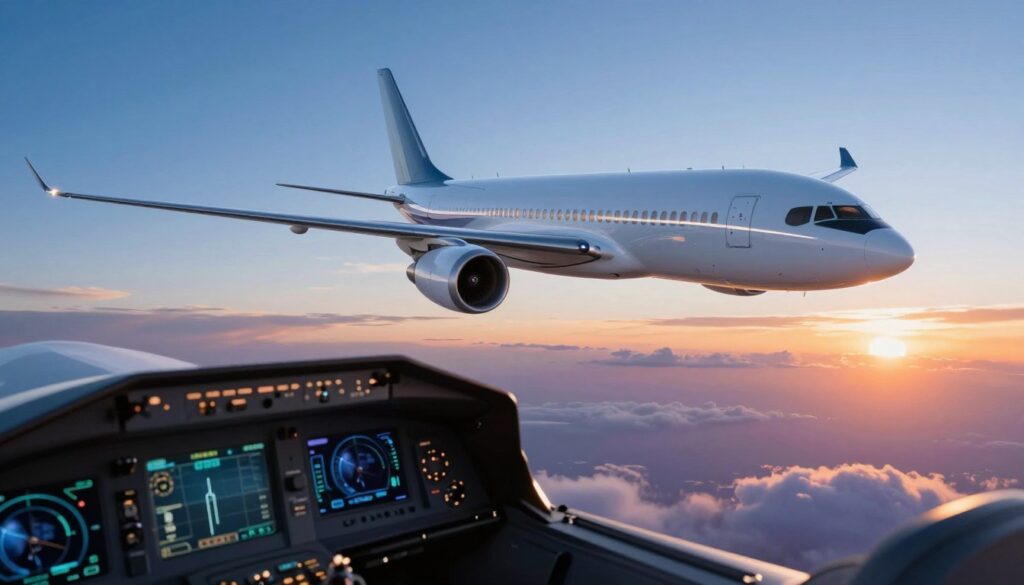
Imagine taking off in Doha and landing in Auckland after more than 17 hours of a non-stop journey, shortening distances between continents, allowing passengers to cross the globe with efficiency and comfort.
The success of this operation depends on rigorous flight planning that guarantees safety at each stage of the journey.
Qatar Airways’ role in ultra connectivity
Qatar Airways has consolidated its position as a leader in ultra-long-haul flights by connecting strategic hubs.
The company uses modern aircraft, designed to withstand long hours in the air without compromising performance, requiring impeccable logistics, where every detail is calculated to optimize fuel consumption and operational efficiency.
Flight planning is the backbone of this complex operation. The technical team monitors weather conditions and alternative routes in real time to ensure that the aircraft reaches its destination accurately, allowing the company to maintain high quality service, even on routes that challenge the limits of commercial aviation.
What to expect from a flight lasting more than 17 hours
Passengers who choose this route find a flight experience focused on well-being and reducing fatigue.
The cabin is configured to offer a relaxing environment, with adjustable lighting and state-of-the-art entertainment systems. The objective is to make hours on board as pleasant as possible, minimizing the impact of prolonged confinement.
During the voyage, the crew plays a key role in maintaining comfort. They are prepared to offer constant support, ensuring that the flying experience is fluid and smooth.
With attentive service and state-of-the-art infrastructure, passengers can rest and arrive at their final destination refreshed, despite the long duration of the journey.
Perth to London: The revolution of direct routes between continents
Global connectivity took a giant leap forward with the new direct route between Perth and London, eliminating the need for exhaustive layovers, consolidating itself as a clear example of the advancement of commercial aviation.
By offering non-stop routes, airlines allow passengers to cross the globe with much more agility and comfort.
The strategic importance of Qantas to the global market
Qantas plays a key role in efficiently connecting continents.
By prioritizing direct flights, the company prevents travelers from wasting time in intermediate airports, making the journey more fluid, reflecting the future of aviation, where operational efficiency meets the demand for faster and less exhausting trips.
How the time zone impacts the pace of travel
The drastic change in time zone is one of the biggest challenges for those who choose this type of route. The human body needs time to adjust, and jet lag can be quite intense after so many hours in the air.
Therefore, adopting intelligent strategies, such as adjusting your watch as soon as you board, helps to minimize the effects on your biological rhythm.
Passengers should focus on hydration and strategic rest to face the transition between time zones. Therefore, mentally preparing yourself for arrival is essential to maintain well-being.
Dallas to Melbourne: Crossing the Pacific Nonstop
Crossing the vast Pacific Ocean non-stop demands impressive technical precision, pushing the boundaries of commercial aviation while efficiently and safely connecting two distant points on the globe.
The success of this operation hinges on rigorous flight planning, taking into account everything from jet streams to the aircraft’s maximum range.
Modern aeronautical technology makes it possible to fly these non-stop routes with complete peace of mind. Thanks to more efficient engines and lightweight materials, aircraft can cover immense distances without needing technical stops for refueling.
Crew logistics on long-haul flights
To ensure safety during such lengthy journeys, airlines employ double or augmented crews, allowing pilots and flight attendants to take turns during mandatory rest periods right on board the aircraft.
Dedicated rest areas—known as “crew bunks”—are designed for maximum comfort, ensuring the team remains alert and ready to make quick decisions, regardless of the time of day or their location over the ocean.
In-flight service and entertainment as allies against boredom
Keeping passengers satisfied for so many hours requires a well-defined service strategy. Airlines invest heavily in state-of-the-art entertainment systems, offering hundreds of movies, TV series, and games to help pass the time.
Furthermore, in-flight service is carefully planned to respect travelers’ biological rhythms. Light meals and constant hydration are priorities, ensuring passengers arrive at their final destination feeling as rested as possible after crossing the Pacific.
Conclusion
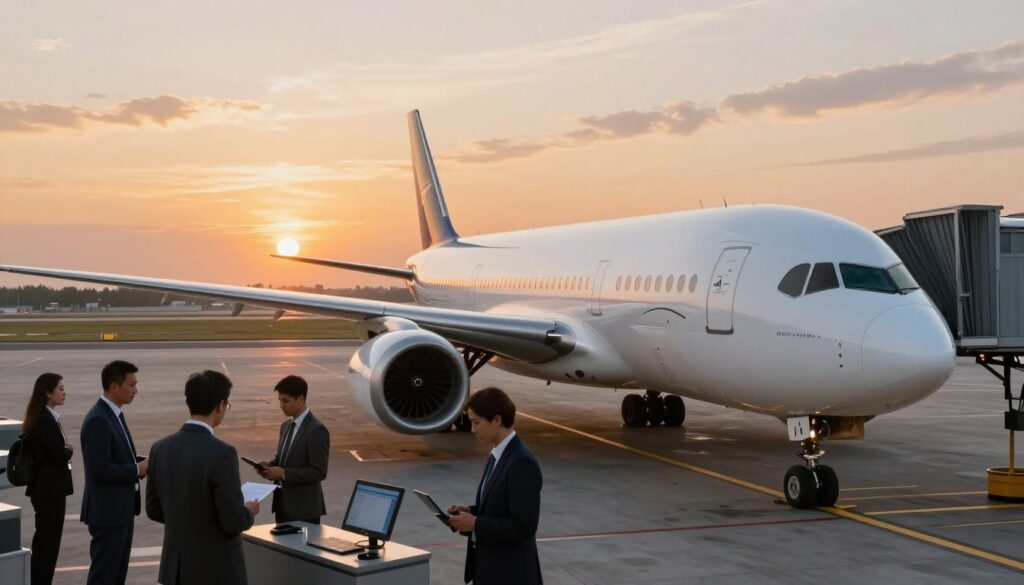
Non-stop routes are transforming the way we cross continents, eliminating airport layovers and optimizing travel time for both leisure and business travelers.
The long-haul flying experience has evolved to prioritize human well-being. Airlines such as Singapore Airlines, Qatar Airways, and Qantas are investing heavily in technology and comfort to meet the needs of frequent flyers.
The future of aviation points toward increasingly quiet and efficient aircraft, ensuring the human body better withstands hours of confinement at high altitudes.