
Anúncios
Have you ever stopped to consider whether you are paying more than necessary for your air travel? Often, the ticket that appears cheapest isn’t the best option, while routes with layovers can hide incredible opportunities for savings.
This strategy is known in the industry as “hidden-city ticketing”: you purchase a flight with a connection but disembark at the layover city, without continuing to the final destination originally scheduled by the airline.
Anúncios
Today, we’ll look at how to use this method wisely.
When this strategy might make sense for the traveler
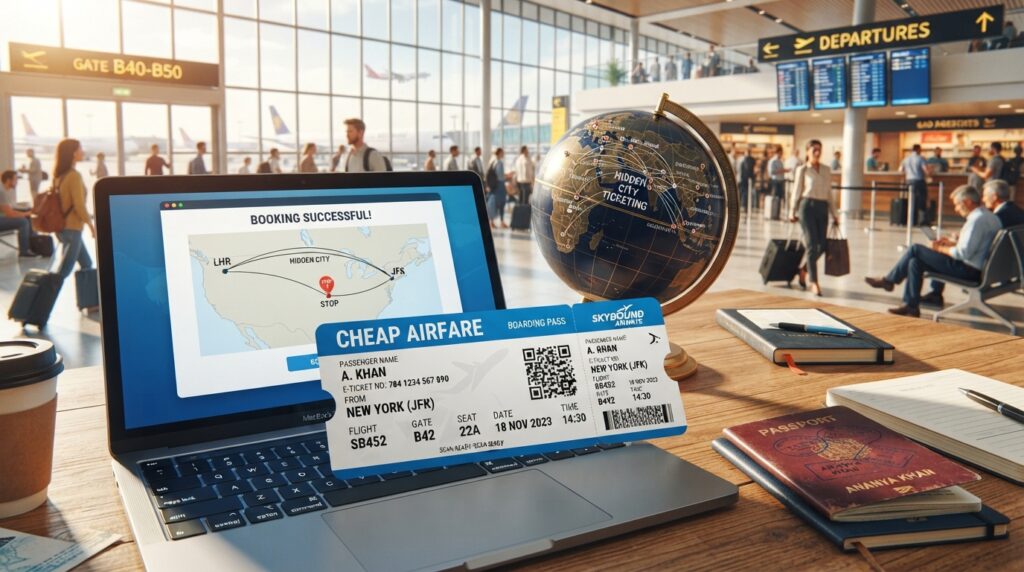
Taking advantage of an intermediate destination can be an excellent way to save money on your next vacation. However, the success of this choice depends on a careful analysis of your traveler profile and the specific needs of your itinerary.
Not every airfare deal is advantageous if you don’t consider the full travel picture; it is crucial to understand that a low price can mask logistical challenges that may not always be worth the trouble.
Anúncios
Saving on routes with significant price differences
Airlines often price flights based on market demand rather than just the distance traveled, creating situations where a flight with a layover costs significantly less than a direct flight to the same location.
When the price difference is substantial, travelers can find a genuine opportunity to cut costs. Capitalizing on this variation requires constant monitoring and a willingness to adjust your plans based on available offers.
Situations where the actual destination is a connecting city
This tactic works best when your final goal coincides exactly with the ticket’s technical stop or connection point.
If you wish to visit a city that serves as a hub for a major airline, your chances of finding an attractive airfare increase considerably.
In these cases, the passenger uses the airline-planned leg to reach their actual destination—a way to bypass high prices on direct routes—provided you have no checked luggage and adhere to boarding rules.
How to weigh the savings against the complexity
To determine if the savings are real, you need to crunch the numbers carefully. A cheap airfare can end up being costly if you require flexibility or if the itinerary is too rigid.
Consider the time spent on connections and the potential stress involved. If the savings are minimal, the convenience of a direct flight might be the more sensible choice to ensure a stress-free trip.
Additional costs that can reduce the savings
When calculating the financial benefit, do not forget to include expenses for ground transportation, meals, and potential overnight stays.
Often, the money saved on the ticket is absorbed by extra expenses arising from the nature of the chosen intermediate destination.
Also, consider whether the ticket’s lack of flexibility might result in financial loss should you need to change your travel dates. Detailed planning is your best ally in ensuring the savings are truly worthwhile for your wallet.
Key risks before buying a “hidden city” ticket
While saving on airfare is tempting, understanding the risks is crucial to avoiding unpleasant surprises during your journey; this requires extra caution, as airline systems are designed to follow the full itinerary exactly as booked.
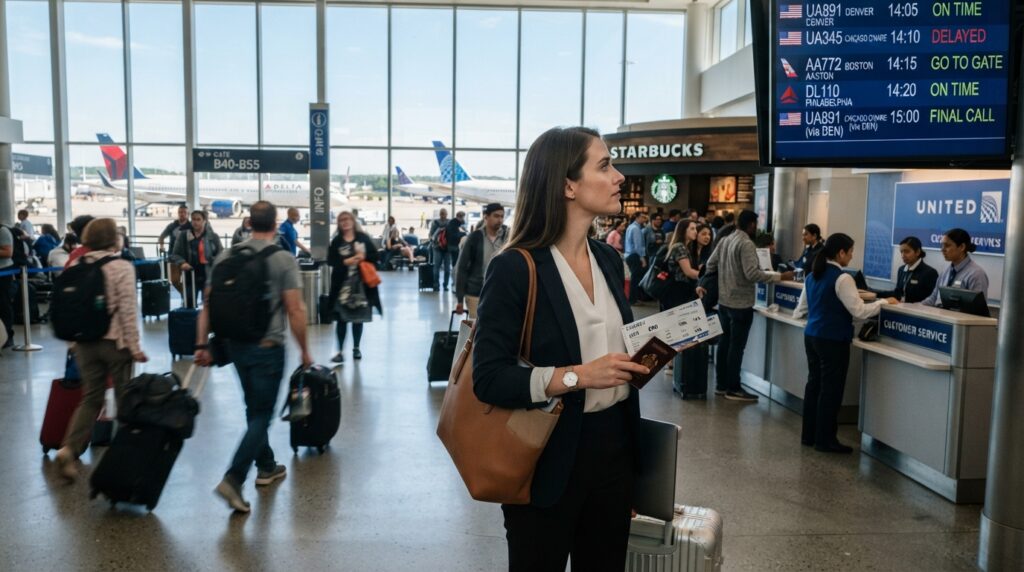
Cancellation of subsequent segments after missing a connection
If you decide not to board one of the segments of your reservation, the airline automatically assumes you have abandoned the trip. Consequently, all subsequent flights on the same ticket are immediately cancelled.
This means that if you plan to disembark during a layover, you will not be able to use the remainder of the itinerary. The system invalidates the ticket as soon as the passenger fails to show up at the boarding gate.
Changes to routes, schedules, and airports
Airlines have full authority to alter the original itinerary for operational reasons. If the flight undergoes a route or airport change, your stopover strategy could be completely ruined.
Such changes may force a connection at a location different from the one planned. In these cases, a ticket price that initially seemed advantageous can turn into a logistical problem that is difficult to resolve.
Issues with checked baggage
Checking bags is one of the biggest risks when using this type of travel. Luggage is always tagged for the final destination recorded in the airline’s system.
This means that if you try to leave the airport during a connection, your bag will continue on to the final destination. You run the risk of losing your belongings or having to deal with complex bureaucratic processes to retrieve them.
Consequences for round-trip reservations
Reservations that include a return flight are extremely vulnerable when one segment goes unused. Many airlines automatically cancel the return flight if the passenger fails to show up for the first outbound segment.
This policy is enforced to prevent the misuse of fares. Therefore, in trying to save money on tickets, you could end up losing your entire return travel plan.
Why a single-leg ticket is often less risky
Purchasing just a one-way ticket drastically reduces the risk of having your ticket cancelled due to non-use. Since there is no linked return flight, the impact of not completing the journey is limited to that specific ticket alone.
Even so, it is worth weighing whether the ticket price justifies the lack of flexibility. That is why examining every detail before purchasing is the best way to ensure a smooth experience.
Airline rules and potential consequences
Did you know that using only part of a ticket can lead to conflicts with the carrier? Before finalizing any purchase, it is essential to understand that each company has specific policies regarding the complete itinerary.
Checking fare terms and conditions
The first step to avoiding headaches is to carefully read the contract of carriage. Rules regarding “no-shows” for specific flight segments are often buried in the fine print.
By accepting the terms at the time of purchase, you agree to the airline’s guidelines. Consequently, ignoring these rules can lead to unexpected issues during your journey.
The difference between a contractual restriction and an illegal practice
It is important to distinguish between an internal rule and an illegal practice. Airlines establish contractual restrictions to protect their pricing models; this does not necessarily mean the practice is prohibited by law.
However, violating these clauses can result in administrative sanctions imposed by the airline. Understanding this fine line helps you better assess the risks associated with “hidden city” ticketing before confirming payment.
Risks to benefits, miles, and loyalty programs
Improper use of tickets can directly impact your mileage program account. Airlines monitor passenger behavior and may impose severe penalties.
- Temporary or permanent suspension of the loyalty account.
- Loss of status and benefits accumulated over the years.
- Cancellation of miles already issued or pending credit.
- Restrictions on future ticket redemptions using points.
How to handle changes made by the airline
When the airline itself alters the itinerary, the situation changes completely. A flight cancellation initiated by the airline may entitle you to request a refund or rebooking without the usual penalties.
Always keep a record of any changes communicated via email or official notification. Maintaining a clear history is crucial to protecting your rights should the airline attempt to improperly enforce restrictive rules.
When to seek official assistance or legal advice
If you feel you have been disadvantaged by an arbitrary decision, the first step is to contact the airline’s customer service department. If you do not receive a satisfactory resolution, the next step is to turn to consumer protection agencies.
In situations involving significant financial loss, seeking specialized legal advice may be necessary. Always weigh whether the cost of legal action is justified by the value associated with the cancelled flight or the lost ticket.
Conclusion

Searching for flights requires balancing cost savings with peace of mind.
Always weigh whether the money saved justifies the risk of unexpected issues at the airport. When the price difference is small, choosing a standard flight ensures greater flexibility and less worry throughout your journey.
Check baggage policies, confirm booking details, and always have a backup plan in mind. Traveling thoughtfully allows you to enjoy your destination without unpleasant surprises at boarding.