Anúncios
Have you ever stopped to wonder if the world out there is really so different from what we imagine in the movies? Crossing borders for the first time often brings a flutter of nervous excitement, but know that this feeling is just the beginning of an incredible personal transformation.
Many people feel apprehensive about the unknown; however, with the right planning, you can turn any challenge into an unforgettable memory. The secret to savoring every moment lies in organization and the curiosity to explore new cultures at a leisurely pace.
Anúncios
Today, we’ll explore the key pillars that help reduce anxiety and allow you to focus solely on the joy of discovering new destinations.
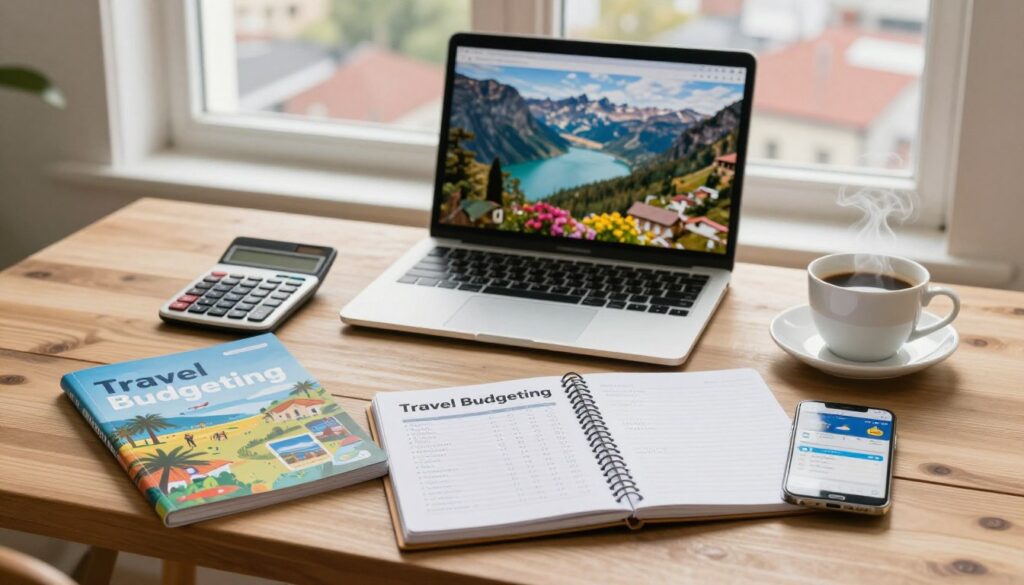
How to Prepare a Budget for Your First International Trip

Managing your finances is the key to enjoying every moment of your first international trip. Good planning prevents unpleasant surprises and ensures you can focus entirely on creating unforgettable memories.
Setting daily spending limits and reserves
The first step is to list all fixed costs, such as accommodation and airfare. Next, set a daily budget for meals, local transportation, and attraction tickets.
Anúncios
Always set aside extra funds for emergencies or unexpected purchases. Having this safety margin is crucial for keeping your travel budget under control throughout your trip.
Choosing credit cards and global accounts
Using an international credit card is a convenient option these days, but the associated taxes (such as Brazil’s IOF) can be high.
That is why many people opt for global accounts—like Wise or Nomad—which offer much more competitive exchange rates.
These accounts allow you to convert your balance in advance, protecting your money from market volatility. So, consider which option best suits your travel style before you leave home.
Tips for saving on currency exchange
Avoid exchanging money at airports, as the rates are usually far less favorable. Ideally, you should purchase foreign currency gradually, taking advantage of dips in the exchange rate.
- Monitor the currency exchange rate daily.
- Use debit cards linked to global accounts.
- Avoid frequent ATM withdrawals to reduce fees.
- Always opt to pay in the local currency rather than converting at the time of purchase.
Choosing the Ideal Destination and Timing
Selecting the right location and time of year can completely transform the quality of your first global adventure. When planning your itinerary, it is crucial to consider how external conditions—such as weather—will affect both your comfort and your budget.
Researching the Climate and Peak Season
Checking weather conditions is one of the best ways to avoid unpleasant surprises. Destinations that experience harsh winters or intense rainy seasons can limit your outdoor activities.
Furthermore, traveling during peak season means dealing with crowds and higher prices for hotels and attractions.
Opting for the “off-season” or shoulder months can offer a more relaxed and affordable experience in many international destinations.
Considering Time Zones and Travel Time
Flight time and time zone differences directly affect your well-being during those first few days. Long-distance travel requires a longer adjustment period so you can enjoy every moment without feeling exhausted.
When planning your itinerary, try to include a light, restful day right after you arrive; this helps your body adjust to the new pace and makes exploring new international destinations much more enjoyable.
Tips for first-time solo travelers
Exploring the world on your own is a liberating experience, but it requires extra planning. Therefore, prioritize destinations with good public transportation infrastructure and a reputation for safety to make getting around easier.
Smart Packing
Packing your bags is the first concrete step toward turning the dream of your first international trip into reality. Although it may seem like a challenge, adopting smart strategies makes the task simple and efficient, ensuring you bring only what is necessary.
Carry-on and checked baggage rules
Each airline has specific policies regarding the weight and dimensions allowed for your luggage, so it is essential to check the company’s website before leaving home to avoid unexpected extra fees at check-in.
- Check the weight limit for checked baggage.
- Check the maximum dimensions allowed for carry-on luggage.
- Avoid carrying items prohibited on international flights.
- Weigh your suitcase at home to avoid surprises at the airport scale.
Must-haves for your carry-on
Your carry-on luggage should contain essentials that ensure your safety and comfort during the journey. Always keep documents, electronics, and valuables with you, avoiding checking them in as a precaution.
Additionally, consider packing a spare change of clothes and basic personal hygiene items; this can be a lifesaver in the event of a delay or the temporary loss of your checked luggage.
Tips for optimizing space and avoiding excess weight
To optimize space, use packing organizers or the rolling technique for your clothes. This practice not only saves space but also prevents garments from becoming heavily wrinkled by the time you reach your destination.
Choose versatile clothing items that mix and match well, allowing you to create different outfits with just a few pieces. Remember that comfort is key, so prioritize lightweight fabrics and footwear you are already accustomed to wearing in your daily life.
Navigating airports and connections
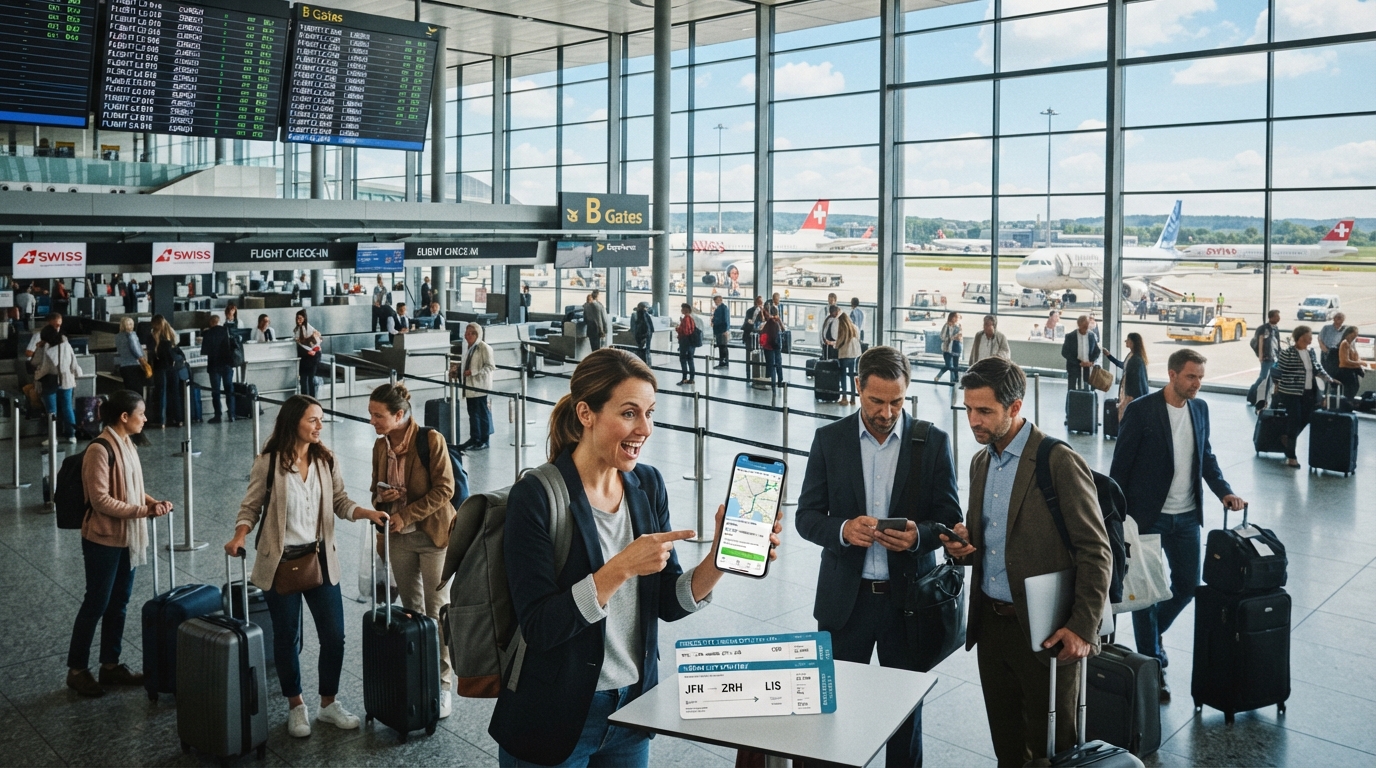
Navigating large international terminals is a skill any traveler can quickly master.
While the airport environment might seem intimidating at first, understanding the internal processes turns the experience into a much smoother and more organized affair.
Check-in and security procedures
Upon arriving at the terminal, the first step is to locate your airline’s check-in counter or use the self-service kiosks. Always have your passport and booking confirmation handy to speed up the baggage drop-off process.
After checking in, you will go through security screening. Remove metal items, electronics, and liquids in accordance with local regulations to avoid unnecessary delays in the line.
Handling layovers and long connections
Flight connections can be an opportunity for rest or exploration, depending on the time available. If you have a long wait, check if the airport offers VIP lounges or comfortable rest areas. Keep your essentials with you in your carry-on luggage, ensuring you have access to clean clothes, chargers, and toiletries without needing to check any bags.
Tips for finding your boarding gate
As soon as you pass through security, immediately look for the flight information screens located throughout the terminal; they display your flight status and the updated boarding gate number.
Do not rely solely on your printed boarding pass, as gate changes are common at large airports. Follow the color-coded signs, and if you are unsure, do not hesitate to ask airport staff.
Planning the time needed to get between connecting flights is crucial to avoid rushing. Walk at a leisurely pace, pay attention to the signs, and take the opportunity to explore the terminal layout before heading to your next destination.
Conclusion

Careful planning is the greatest ally for anyone deciding to explore the world for the first time. By applying these travel tips, you gain the confidence needed to handle the unexpected and enjoy every discovery with peace of mind.
Sorting out every detail before departure allows you to focus on what truly matters: having unique experiences. A well-structured itinerary serves as a map, ensuring your journey runs smoothly and is filled with wonderful memories.
Feel free to adjust your plans to suit your personal style and the opportunities that arise along the way. The world offers endless possibilities to those who prepare in advance and keep an open mind to new experiences.