
Anúncios
Have you ever wondered how some travelers manage to snag international tickets at rock-bottom prices, while most people pay standard rates?
Often, the key to securing cheap airfare lies in your own ability to monitor the global market. Learning to spot these systemic glitches allows you to take control of your vacation planning.
Anúncios
Today, we’ll show you how to find a fare error—one that naturally crops up in airline systems—without relying on middlemen.
Setting the stage for your manual search
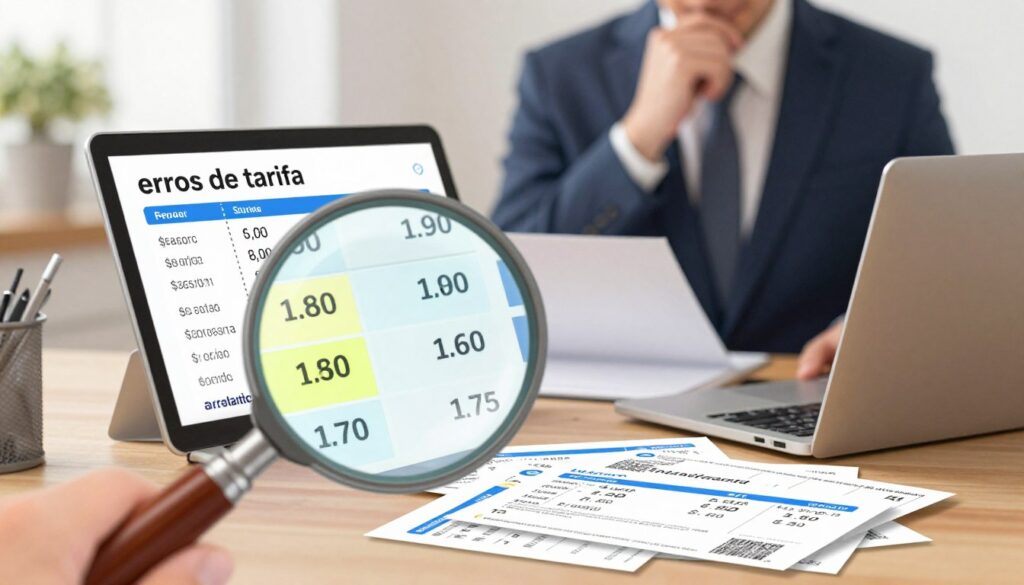
Success in finding low fares begins long before you even open an airline’s website.
The way you interact with the internet directly influences the results that appear on your screen. Therefore, organizing your digital environment is a crucial step for anyone looking to make real savings.
Anúncios
These travel tips are essential to ensure that algorithms don’t detect your persistent interest in a specific destination. If you overlook these precautions, you risk seeing prices inflated simply because of your previous search behavior.
Configuring your browser to avoid tracking
The first practical step is to clear your cookies or consistently use incognito mode. When you open a private window, the browser stops storing the search history and cache data that companies use to track your profile.
This simple practice prevents search sites from adjusting prices based on how often you visit.
Maintaining a neutral stance while planning your trip is the best way to see actual prices, free from external interference or dynamic adjustments driven by cookies.
The importance of using a Virtual Private Network (VPN)
In addition to adjusting your browser settings, using a Virtual Private Network—or VPN—provides an extra layer of protection.
This tool masks your IP address, making it impossible for the airline’s website to identify your exact location or browsing history.
Prices often vary depending on where you are accessing the site from. By using a VPN, you can browse more freely and prevent geo-blocking or market segmentation from limiting the fare options displayed to you.
Combining incognito browsing with a VPN creates a much fairer search environment.
These measures ensure that technology works in your favor, allowing you to find the best deals without being tracked by the system.
Mastering flight search tools
Learning how to navigate flight search tools can completely transform the way you plan your trips. When you understand how algorithms process information, it becomes much easier to spot opportunities that go unnoticed by most average travelers.
Mastering these platforms requires patience and a keen eye for detail. By applying specific techniques, you move from being a passive user to having full control over the results displayed.
How to filter results to find anomalies
The key to successful flight searching lies in the correct use of advanced filters. So, don’t limit yourself to just date and destination options; explore settings for layovers, airlines, and departure times.
By adjusting these parameters, you can isolate flights that exhibit atypical behavior within the system. Often, a slight tweak to the filters reveals cheap fares that were hidden by default search settings.
Remember to test different filter combinations regularly. Persistence and curiosity are the best allies for anyone looking to find great fares before the system corrects them.
How to independently identify fare errors

Spotting fare errors requires a keen eye for details that go unnoticed by most travelers.
When you learn to recognize patterns that deviate from market norms, your chances of finding unique opportunities increase significantly.
Mastering this skill allows you to navigate the world of airfares with much greater autonomy. The key lies in observing price behavior and understanding what actually constitutes a technical glitch.
Classic signs of a fare error
There are clear indicators suggesting that a displayed price might be a system error. The most common sign is a stark disproportion between the cost of a long-haul route and the price being charged.
- Very low fares for long-haul or business class flights.
- Fuel surcharges or taxes appearing as zero in the purchase summary.
- Prices that do not align with the historical average for that specific route.
Distinguishing real promotions from system glitches
It is crucial to know how to distinguish legitimate travel promotions from technical errors. Airlines frequently launch aggressive offers to fill empty seats, which is standard market behavior.
To tell the difference, analyze seasonality and competition. If all airlines are offering low prices for a specific destination, it is a genuine promotion.
On the other hand, if only one airline is showing an incredibly low price for a specific flight, you are likely looking at a fare error.
Staying calm and quickly comparing prices across different search engines helps validate the offer. By training your eye to spot these nuances, you avoid frustration and make the most of the travel deals that pop up regularly.
The role of currency conversion and exchange rates
Did you know that small fluctuations in exchange rates can hide incredible opportunities to save on airfare? Often, the final price displayed on a travel site isn’t fixed; instead, it is a representation based on the currency selected for the transaction.
Understanding this financial dynamic allows you to spot windows of opportunity that most travelers overlook. By adjusting the display currency, you can find prices that don’t appear in your browser’s default settings.
How exchange rate fluctuations can lead to attractive prices
Airlines often adjust their fares based on specific markets. When you change the payment currency, the system might apply an outdated conversion rate or a different regional pricing policy.
This technical difference can result in significant savings on airfare; the trick is to test different major currencies—such as the US dollar or the euro—when simulating a purchase on foreign airline websites.
Taking advantage of discrepancies between international markets
Beyond direct currency conversion, there is also the possibility of exploiting price discrepancies between markets. Some routes offer more competitive prices when searched for on websites from other countries, where demand and exchange rates operate differently.
By browsing foreign versions of a site, you may find fares unavailable to the general public; while this requires attention to financial details, it is one of the most effective ways to independently reduce travel costs.
Conclusion
Finding fare errors requires a balanced mix of patience, digital tools, and constant curiosity. Searching for discounted airfare transforms the way you plan your vacations or business trips.
By applying these travel tips, you gain the freedom to explore incredible destinations without compromising your budget.
Mastering these techniques allows you to spot opportunities that go unnoticed by most average travelers.