Anúncios
Sharing a confined space requires awareness and empathy, fundamental elements to ensure a smooth journey for each passenger.
Understanding basic rules of coexistence is essential, especially on long-haul international flights. Small gestures of mutual respect make all the difference when we are thousands of meters high.
Anúncios
Today, let’s explore how to make each moment on board lighter and more pleasant.
Preparation before boarding
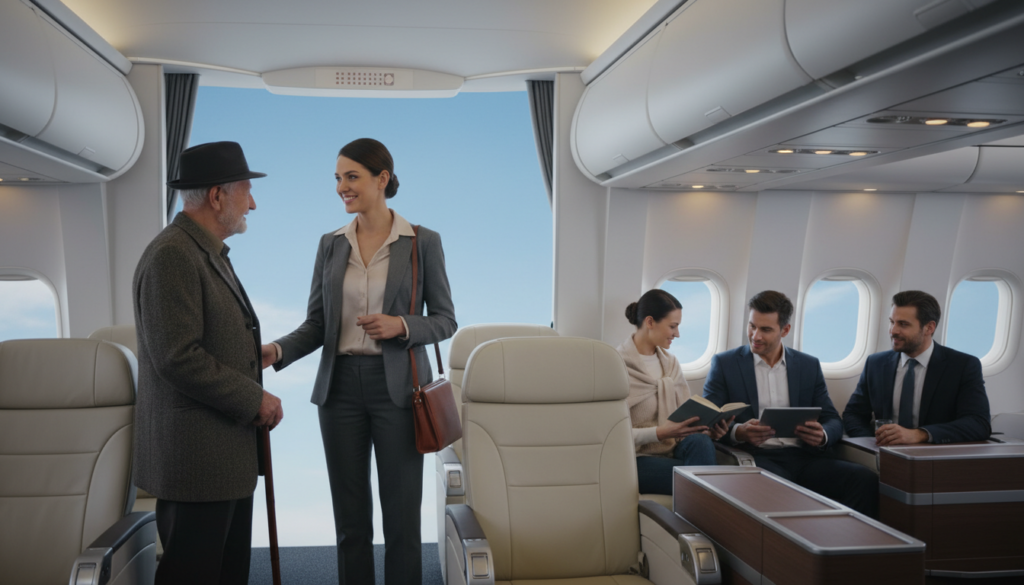
Adopting good flight planning tips right from the start helps avoid unnecessary setbacks and ensures a much smoother journey.
Efficient travel organization is the first step to staying calm. When you prepare in advance, you can anticipate potential problems and focus only on enjoying your destination.
Anúncios
Organizing your carry-on baggage to speed up the process
How you prepare your carry-on baggage directly impacts the speed of boarding. Therefore, try to place essential items, such as documents and electronics, in easily accessible locations so you don’t have to open your bag in the middle of the aisle.
By keeping everything organized, you avoid blockages and allow other passengers to circulate without difficulty, remembering to check the airline’s rules regarding weight and dimensions allowed to avoid surprises at the boarding gate.
Appropriate clothing for comfort and respect for the environment
Choosing the right clothes is essential to ensure your well-being during long hours sitting. Therefore, prioritize lightweight fabrics and layers that allow you to adjust the temperature according to the cabin’s air conditioning.
Beyond personal comfort, dressing appropriately demonstrates respect for the shared environment.
Good travel organization also involves thinking of others. By taking care of your carry-on luggage and choosing appropriate attire, you contribute to a harmonious atmosphere among all travelers on board.
The boarding and seating process
Boarding is a stage that requires attention and cooperation from all passengers.
How to position yourself in line without causing disruption
While waiting your turn, maintain a respectful distance from the person in front of you. Avoid occupying unnecessary space or blocking side passages, as this facilitates the flow of those already moving towards the aircraft.
Following these flight tips helps maintain a harmonious environment, remembering that excessive haste rarely speeds up the process, and organization is key to a smooth boarding process.
Securing luggage in the overhead compartments
Upon reaching your row, speed is essential to avoid causing queues in the aisle. Place your carry-on luggage quickly, ensuring it is well positioned so that other passengers can also store their belongings. If your bag is large, try to place it directly above your seat, avoiding the need to walk down the aisle after you’ve already sat down, thus optimizing the travel organization for everyone on board.
Tips for not blocking the aisle during boarding
Avoid stopping in the middle of the aisle to organize personal items or remove coats from your carry-on bag. If you need something, sit down first and calmly organize your belongings in your designated space.
Fundamental rules of airplane etiquette
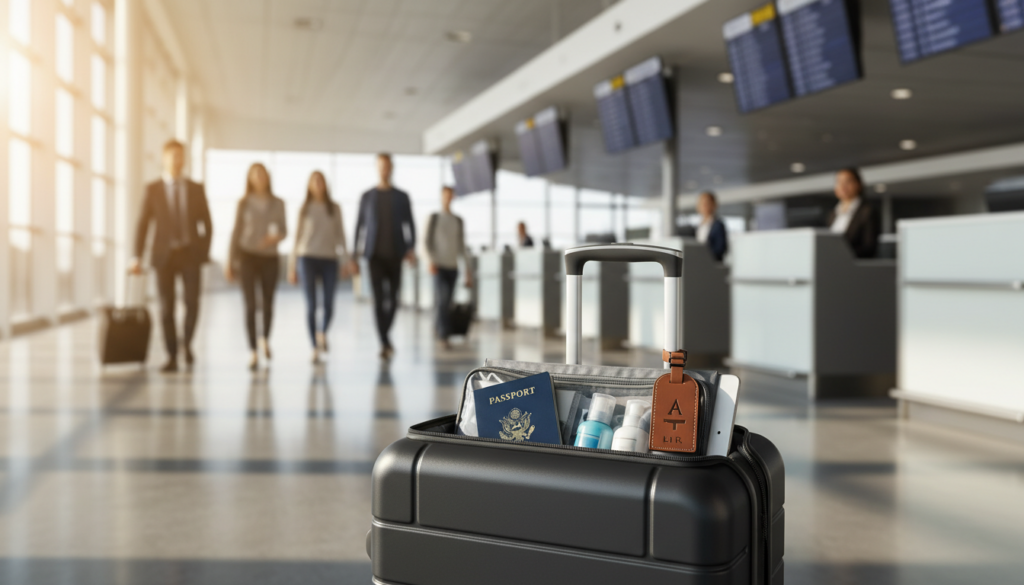
When we are thousands of meters high, our individual attitudes directly impact the collective experience.
Maintaining good coexistence requires each passenger to understand that the onboard environment is a limited space, where empathy should prevail over haste or selfish comfort.
The concept of shared space at high altitudes
Respect for personal space is the central pillar of airplane etiquette. On international flights, where the time spent on the aircraft is prolonged, this awareness helps prevent unnecessary conflicts between people of different cultures and customs.
Remember that your seat is your area of control, but the aisles and common areas belong to everyone. Avoiding sudden movements or invading your neighbor’s space is a basic sign of civility that maintains peace throughout the journey.
Respect for illuminated signs and safety instructions
In addition to social coexistence, strict adherence to aviation rules is important for the safety of everyone on board.
The illuminated signs, such as the seatbelt sign, are not suggestions, but essential commands for your safety in case of unexpected turbulence.
Air safety depends on the cooperation of each passenger in following the crew’s instructions. Therefore, ignoring these instructions puts not only your life at risk, but also the lives of those around you, making airplane etiquette a matter of shared responsibility.
Using personal space and your seat
Seat comfort depends directly on how we interact with the space around us. Maintaining respect for personal space is one of the most sensitive points during air travel, requiring common sense from everyone involved.
The controversy of the seat backrest: when to recline
When deciding to recline your seat, it is important to check if the passenger behind you is not having a meal served or working on a laptop. A sudden movement can cause accidents or damage other people’s electronic equipment.
Always look behind you before pressing the recline button. This small gesture demonstrates empathy and avoids unnecessary conflicts during the flight.
Fair Distribution of Armrests
The fair distribution of armrests is a gesture of courtesy that significantly increases seat comfort for the middle passenger. Since the middle passenger already has less mobility, they should have priority in using these armrests.
Remember that sharing is key to a more pleasant experience. Small gestures of kindness make the journey much lighter for all passengers on board.
Interaction with Other Passengers
Courtesy on board begins with attentively observing the signals your seatmate gives off. Coexistence on flights is much more pleasant when we respect the space and state of mind of those next to us.
Therefore, understanding the other person’s moment is a valuable social skill that transforms the travel experience.
How to Identify if Your Seatmate Wants to Talk
Not all passengers are willing to engage in conversation during the flight. Some prefer to use the time to read, work, or simply rest in silence.
- The use of headphones is a universal indicator that the person prefers not to be interrupted.
- Open books, tablets, or notebooks suggest that the passenger is focused on a personal activity.
- Short, monosyllabic answers during an attempt at conversation indicate that dialogue is not welcome.
- Body posture turned towards the window or one’s own seat signals a desire for privacy.
Maintaining Cordiality in Uncomfortable Situations
Even when unforeseen events or uncomfortable situations arise, respect for passengers should be maintained.
Therefore, remaining calm and polite is the best way to ensure that the environment remains positive for everyone. Small gestures of kindness help to ease tensions and avoid unnecessary conflicts.
If you feel bothered by something, try to resolve the issue diplomatically and calmly, remembering that everyone is sharing the same limited space for several hours.
Patience is an essential virtue for those who wish to travel peacefully and maintain harmony within the cabin.
Behavior with the Cabin Crew
The relationship with the cabin crew is a fundamental pillar for a smooth trip, working tirelessly to ensure that each passenger has a safe and comfortable experience from beginning to end of the journey.
Adopting good behavior on board not only facilitates the work of the team, but also creates a more harmonious environment for everyone present on the aircraft.
Kindness is a powerful tool that transforms the dynamic between travelers and those serving.
The Importance of Politeness When Requesting Services
When needing assistance, remember that the cabin crew is attending to dozens of people simultaneously. A simple “please” and a smile when requesting water, blankets, or information makes all the difference in service.
Demonstrating politeness when requesting services is a basic gesture of respect. When you treat flight attendants cordially, communication flows better and needs are met more quickly and willingly.
How to Respond to Cabin Crew Requests
It is essential to respond promptly to any request from the cabin crew, especially when it comes to operational procedures, which are directly responsible for the application of aviation rules and the maintenance of air safety throughout the flight.
If a flight attendant asks you to fasten your seatbelt, stow your tray table, or turn off a device, do so immediately without question. Following these guidelines ensures that the flight proceeds without interruption and protects the safety of everyone on board.
Conclusion
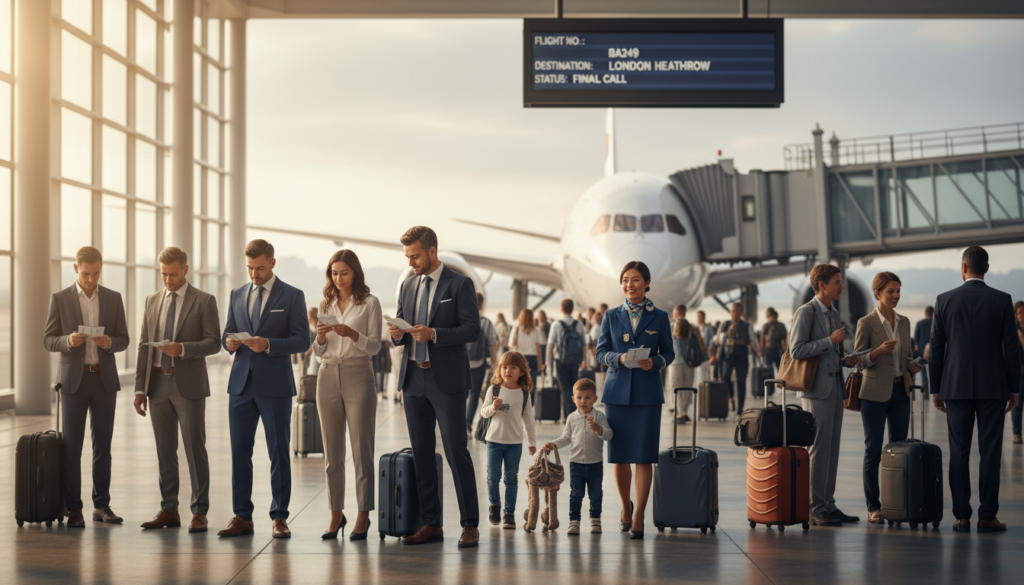
Every flight represents an opportunity to practice empathy in a shared environment. Small acts of kindness elevate the experience for all passengers on board.
Adopting a courteous attitude on board makes the journey lighter. When you respect others’ space, you directly contribute to a smooth trip for those around you.
Harmony within the cabin depends on everyone’s cooperation. By following these practices, you ensure a stress-free journey from takeoff to final landing.