
Anúncios
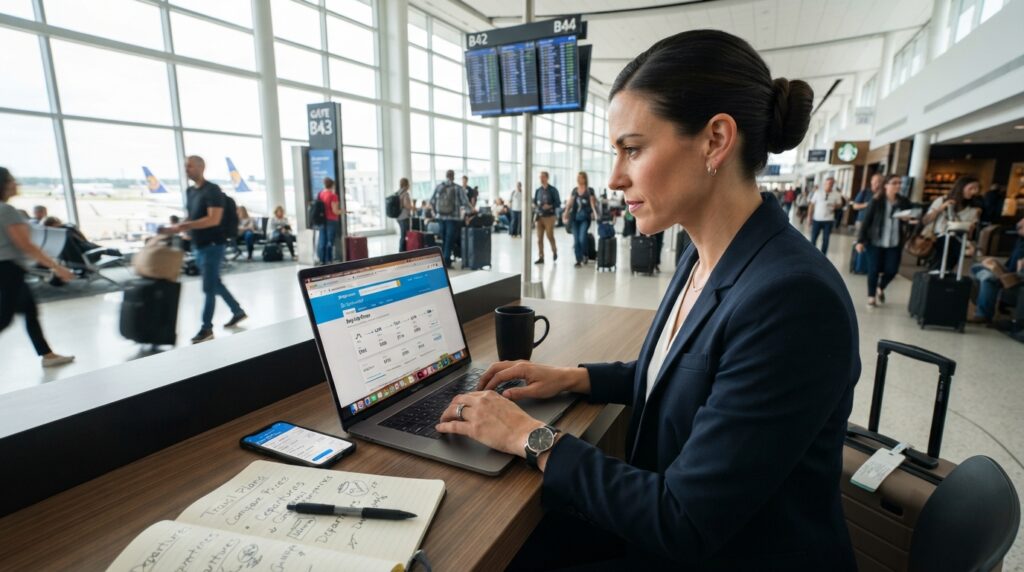
Have you ever felt that frustration when the final price of a trip jumps at the very last click? Often, the initially advertised price hides costs that only appear when you’re about to finalize the transaction.
Understanding how the ticket-purchasing process works is essential for anyone looking to keep their budget under control. Small details—such as baggage selection or optional services—can turn an attractive offer into an unexpected expense.
Anúncios
Today, we’ll provide a practical, step-by-step guide to help you identify extra fees before confirming your payment.
Compare fares before choosing your ticket

Choosing the ideal flight requires more than just looking at the initial price displayed on the screen.
Often, an attractive price hides costs that only appear at the time of payment, turning what seemed like an economical deal into an unexpected expense.
Anúncios
To ensure you make a smart choice, it is essential to look at the full picture. The final price of the ticket should be your primary guide throughout the entire booking process.
What to look for beyond the initial price
When browsing airline websites, always check what is included in the basic package. Items such as checked baggage, seat selection, and refund eligibility can vary significantly between the available options.
Do not be swayed solely by the prominent figure displayed. Also, check whether the fare allows for changes without heavy penalties; this can be a crucial factor if your plans change at the last minute.
How to compare fares with the same services included
The best way to compare fares is to ensure the conditions for each offer are on equal footing. Try adding the extra services you actually need to each option before deciding which one is truly the cheapest.
- Check if the baggage allowance is the same across all options.
- Confirm whether seat selection is included or incurs an additional cost.
- Assess whether rebooking flexibility is comparable across fare classes.
- Consider the cost of in-flight meals for long-haul flights.
Differences between basic, flexible, and full-service fares
Airlines typically segment their airfares into distinct categories to cater to different types of travelers. Basic fares are ideal for those who travel with only the essentials and do not require flexibility.
Flexible or full-service options, on the other hand, offer greater peace of mind, allowing for date changes and cancellations with fewer hurdles. Understanding this hierarchy helps prevent frustration during your journey.
When the cheapest fare is no longer the best deal
The cheapest fare ceases to be a good deal when the cost of individual add-on services exceeds the price difference for a higher-tier fare category. Often, paying a little more upfront provides benefits that would cost twice as much if purchased separately.
How to calculate the total cost of each option
To determine the total cost of your ticket, add the base fare to all the extra fees required for your trip. Create a simple spreadsheet or list the costs for each additional item.
Seeing the actual total amount will clarify which option offers the best value for money, helping you avoid surprises and ensuring the final price stays within your planned budget.
Check baggage rules to avoid unexpected charges
Nothing ruins the start of a trip quite like an unexpected charge at the airport check-in counter.
Often, the final cost of a ticket increases significantly due to a lack of attention to the details regarding what you are permitted to bring on board or check into the aircraft’s hold.
Knowing the airline’s policies is essential for saving money. By staying informed in advance, you can avoid unnecessary baggage fees and ensure a much smoother boarding experience.
Carry-on baggage: dimensions, weight, and permitted quantity
Carry-on baggage refers to the items you take with you into the aircraft cabin. Each airline has strict size and weight limits to ensure that everything fits into the overhead bins or under the seat.
Always check that your bag meets the required dimensions. Exceeding these limits may result in your bag being forcibly checked, which incurs extra costs that could be avoided with a quick check beforehand.
Checked baggage and costs for additional items
When you need to bring more items, checked baggage is the ideal option. However, it is essential to understand that not all fare types include this service in the initial price.
If you exceed the weight allowance or need to bring extra items, the airline will charge an additional fee. Therefore, be sure to check the rules for your specific fare category to avoid any surprises at check-in.
Special items, sports equipment, and fragile objects
Transporting items such as surfboards, musical instruments, or golf equipment requires special handling; these items are subject to specific policies and may incur different fees.
Always contact the airline’s customer service center if you need to bring fragile or large items. Providing advance notice ensures that your items are stowed safely and helps prevent issues during boarding.
How to measure and weigh your luggage before leaving home
Use a tape measure to check the external dimensions of your suitcase, including wheels and handles. A portable handheld luggage scale is an inexpensive investment that can help you avoid exceeding weight limits.
Weighing your bags at home gives you the chance to reorganize your belongings, sparing you the stress of having to remove items from your suitcase in the middle of the airport.
Why adding baggage in advance can save you money
Purchasing checked baggage service at the same time you book your flight is usually much cheaper than paying for it at the airport. Airlines often offer significant discounts to passengers who plan their baggage needs in advance.
By making this choice ahead of time, you lock in a fixed price and avoid the high last-minute baggage fees. Planning is the best way to maintain full control over your travel budget.
Review optional services before adding them
When planning your trip, you may encounter an extensive list of add-ons that can increase the cost of your ticket. Booking systems often automatically include various items, which can inflate the final price without you even noticing.
Taking the time to carefully evaluate each offer ensures you only pay for what you will actually use. See below for key points to consider before confirming your payment.
Seat selection and priority boarding
Seat selection is one of the items that most often causes uncertainty. If you don’t mind where you sit, skipping this step can lead to immediate savings.
Priority boarding, on the other hand, can be useful if you have bulky carry-on luggage or are traveling with children. Consider whether the added convenience justifies the extra cost charged by the airline.
Meals, entertainment, and other in-flight services
Many airlines offer special meal packages or access to premium entertainment systems. Before purchasing, check whether your flight already provides basic snacks, or consider bringing your own device with pre-downloaded movies.
Keep the following points in mind when evaluating these extras:
- Flight duration: short flights rarely require full meals.
- Convenience: bringing your own snack can be cheaper and healthier.
- Actual need: check whether in-flight entertainment is free for all passengers.
Insurance, cancellation protection, and additional assistance
Travel insurance is essential for peace of mind whenever you travel. However, before purchasing coverage offered by an airline, check whether your credit card already provides such protection automatically.
Cancellation protection should also be considered with caution. If your plans are flexible, this option might be a worthwhile investment; otherwise, avoid unnecessary expenses if your travel plans are firm.
How to decide which extras truly make sense
To decide, make a list of what is essential for your comfort versus what is merely a fleeting luxury. If the total cost of these extras represents a significant percentage of the ticket price, it may be worth reconsidering the purchase.
Always prioritize safety and basic well-being. Skip items that do not directly impact the quality of your flight experience.
Watch out for pre-selected options on websites or apps
Always review your booking summary before finalizing the transaction. Websites and apps often have checkboxes selected by default for services such as insurance or premium seating.
Deselect any items you did not explicitly request to avoid unpleasant surprises in the final amount charged.
Conclusion
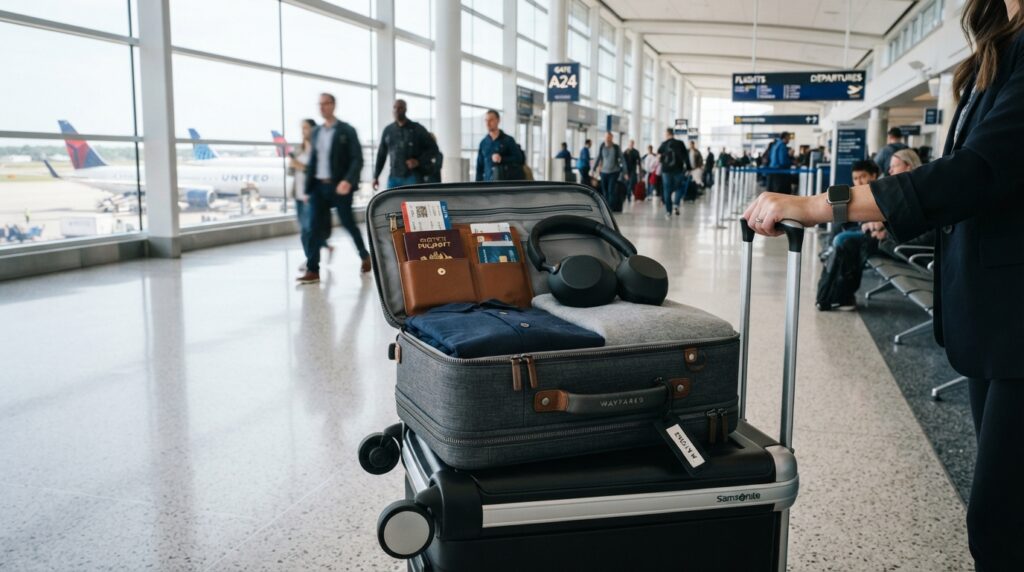
Mastering the details of your booking makes the travel experience much smoother. Efficient trip planning begins with a careful review of every component that makes up the total cost of your ticket, ensuring that the final price is exactly what you expect to pay.
Pay close attention to baggage fee details and check the ticket change policies before confirming your payment.
Always prioritize purchasing tickets securely through the airlines’ official channels. Keep all receipts and take the time to verify your booking details before finalizing the transaction.