
Anúncios
Have you ever stopped to consider whether the way you plan your vacations truly aligns with who you are? We often follow ready-made itineraries without questioning whether they satisfy our deepest desires.
Understanding different traveler profiles is the first step toward creating experiences that make your heart race.
Anúncios
Today, we’ll explore how self-awareness can completely transform the way you discover the world.
The adventurous traveler seeking an adrenaline rush

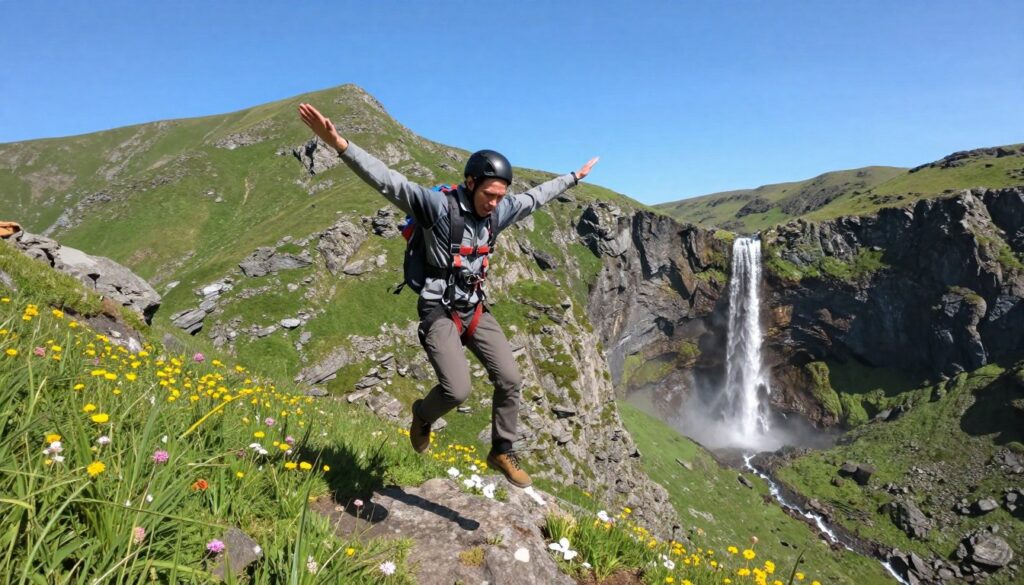
Turning the world into a vast playground of physical challenges is the hallmark of the adventure traveler. This type of traveler is driven by a constant quest for experiences that get the heart racing amidst stunning natural landscapes.
For these explorers, the comforts of a luxury hotel are readily traded for the reward of a view earned after hours of hiking.
Anúncios
A connection with the wild and the drive to test one’s physical limits are the pillars underpinning every choice of destination.
Key characteristics and destination preferences
Travelers who prioritize adventure and adrenaline generally avoid conventional, overcrowded destinations, preferring locations where the terrain commands respect—such as mountain ranges, deep canyons, or dense forests that demand technical expertise.
Preferred destinations often include:
- Mountainous regions ideal for climbing and long-distance trekking.
- Rivers with challenging rapids for rafting.
- Remote areas offering direct contact with wildlife and a sense of isolation.
- Locations with weather conditions that demand resilience and rapid adaptation.
Tips for planning high-intensity itineraries
Planning a trip for this type of activity requires extra attention to logistics and safety. It is not just about choosing a location, but ensuring that the necessary support is available should something not go according to plan.
When creating custom itineraries, consider these essential travel tips to ensure physical safety:
- Always check local weather conditions before starting any outdoor activity.
- Hire certified guides who have in-depth knowledge of the chosen region’s terrain.
- Carry a complete first aid kit and know how to use it in emergency situations.
- Share your detailed itinerary with someone you trust before venturing into remote areas.
Good travel planning balances the need for excitement with mindful exploration.
By investing in personalized itineraries that respect both physical limits and the environment, you ensure that your pursuit of adventure and adrenaline remains both memorable and safe.
The Cultural Traveler and History Enthusiast Profile
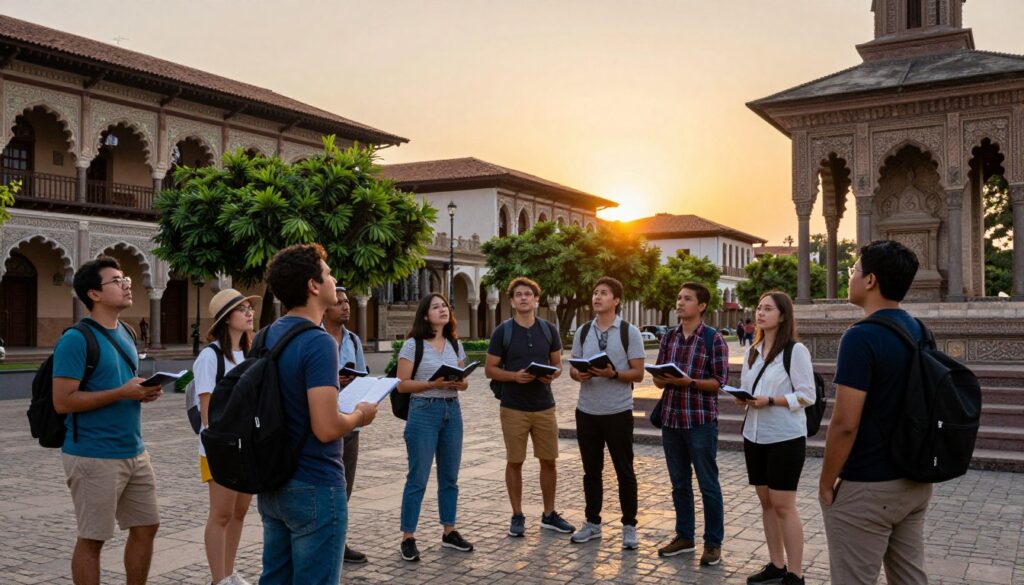
The cultural traveler views every international destination as a unique opportunity for deep learning. For this type of traveler, every monument and local tradition tells a story that deserves to be heard with attention and respect.
Travel goes far beyond merely visiting famous tourist attractions. It is about understanding the soul of each civilization and the roots that have shaped the world as we know it today.
Appreciating museums, architecture, and local traditions
Visiting museums and historic centers requires a curious eye and an attention to detail. Observing the architecture of a Gothic cathedral or the ruins of a Roman forum allows you to connect the present with the past in a tangible way.
Local traditions also offer valuable insights into human behavior throughout the centuries. That is why attending regional festivals or observing traditional craftsmanship are excellent travel tips for anyone wishing to understand the essence of a people.
Deepening your immersion in historic destinations
To achieve true cultural immersion, it is essential to go beyond conventional guidebooks. Try talking to locals or hiring specialized guides who are familiar with the less obvious historical nuances.
Studying the local context before you set off transforms a simple visit into an ongoing learning experience. Here are some strategies to enrich your journey:
- Read books by local authors about the region’s history.
- Explore less touristy neighborhoods to see everyday life.
- Visit smaller museums that focus on specific aspects of the culture.
- Take advantage of travel tips to find authentic cultural events.
By prioritizing the quality of the experience over the number of places visited, you ensure a deeper connection. Choosing international destinations rich in history allows each trip to become a valuable lesson about humanity.
The relaxed traveler who prioritizes well-being
For many travelers, true luxury lies not in trendy hotspots, but in absolute silence. This profile focuses on recharging through environments that foster comfort and a serene connection with nature.
When planning, the primary goal is to return home feeling truly revitalized.
Seeking retreats, spas, and tranquil destinations
Choosing the ideal destination begins with selecting places that prioritize silence and personal connection. Many travelers opt for mountain retreats or secluded spas that offer therapeutic treatments and an atmosphere of profound peace.
These travel experiences are designed to disconnect the individual from screens and daily stress. The surrounding environment—whether a dense forest or a deserted beach—acts as a catalyst for mental and physical relaxation.
Balancing rest with light exploration
The secret to a memorable trip lies in balancing absolute rest with low-key activities. You don’t need to fill every hour of the day with exhausting sightseeing tours to enjoy your chosen destination.
Prioritizing well-being while traveling means allowing yourself moments of creative leisure—such as a gentle evening stroll or quiet outdoor reading—ensuring the focus remains on the quality of the experience and avoiding the fatigue often caused by overly intense itineraries.
Adopting this style ensures you return to your routine with a clear mind and a renewed body. Prioritizing well-being during travel is, above all, a commitment to your own mental health.
The digital nomad and the integration of work and leisure
The digital nomad lifestyle has transformed how professionals approach work and travel. Today, it is possible to maintain high levels of productivity while exploring new horizons around the globe.
This way of life requires a delicate balance between professional obligations and the desire to experience different cultures. By embracing remote work, travelers gain the freedom to turn any café or library into a temporary office.
Essential tools for working while traveling
Having the right equipment is crucial to ensuring a steady workflow. Technology serves as an indispensable ally in maintaining efficiency while away from home.
- Task management software to organize deadlines and deliverables.
- Secure VPNs to protect sensitive data on public networks.
- Noise-canceling headphones to maintain focus in busy environments.
- Universal power adapters and high-capacity portable batteries.
Choosing Destinations with Connectivity Infrastructure
Choosing international destinations should go far beyond scenic beauty. Digital connectivity is the pillar that supports the viability of any professional journey abroad.
It is advisable to research cities that offer robust internet infrastructure and well-equipped coworking spaces. Prioritizing locations with high network speeds ensures that remote work is not interrupted by unexpected technical issues.
By selecting international destinations that prioritize digital connectivity, travelers can balance their professional goals with unforgettable leisure experiences.
Conclusion
The success of a great adventure depends on self-awareness and careful planning. Identifying your travel profile allows you to make every choice with intention and clarity.
You might seek luxury or prefer simplicity; what matters most is that your travel experiences reflect your true self. Keeping an open mind helps you make the most of every unexpected moment along the way.
Traveling on a budget is a valuable skill that opens doors to incredible destinations around the world. With the right strategies, you can explore new horizons without compromising your personal budget.