
Anúncios
Have you ever wondered how airplanes manage to cross oceans and continents on long journeys? Long-distance aviation has revolutionized the way we travel, connecting the world quickly and efficiently.
Transatlantic and transpacific flights are marvels of modern engineering, involving complex navigation and logistics operations, fundamental to the global economy, facilitating cultural and commercial exchange between distant nations.
Anúncios
Here, we will discover more about how transatlantic and transpacific flights work.
What are transatlantic and transpacific flights?
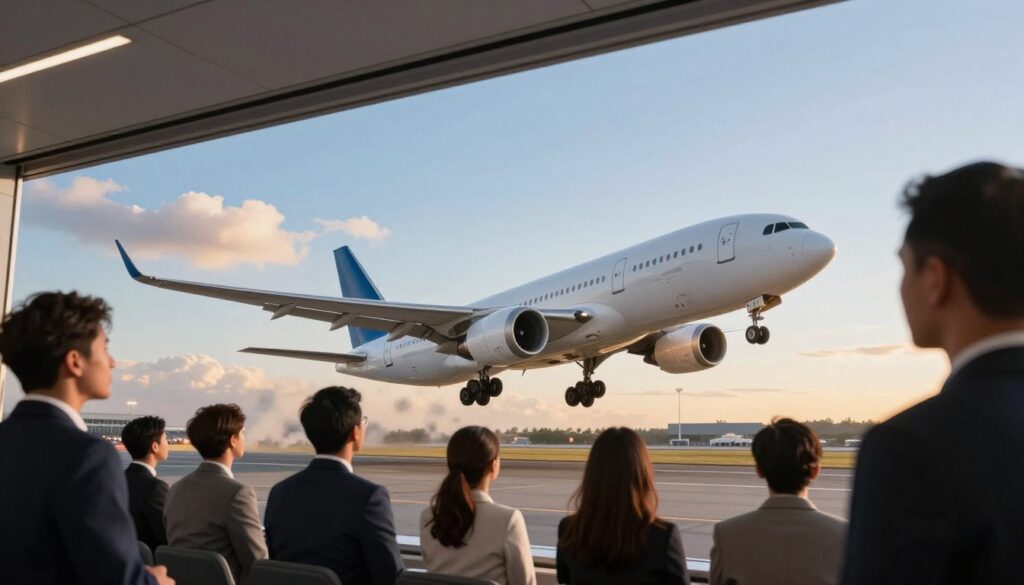
Transatlantic flights are marvels of aeronautical technology, connecting the world quickly and safely, and are fundamental for the transport of passengers and cargo between distant continents.
Definition and main characteristics
Transatlantic and transpacific flights are intercontinental flights that cross large bodies of water, such as the Atlantic and Pacific Oceans, characterized by long distances, extended flight times, and the need for rigorous planning.
Anúncios
These flights require specially designed aircraft for long distances, with adequate fuel capacity and advanced navigation systems. Furthermore, the crew must be experienced and trained to handle the particularities of these flights.
Differences between domestic and intercontinental flights
Domestic flights occur within the same country or region, while intercontinental flights connect different continents. The main differences include the distance traveled, flight time, and the technical requirements of the aircraft.
In addition, intercontinental flights involve crossing time zones, which can affect passengers due to jet lag. The complexity of these flights also demands more intense coordination between aeronautical authorities and operators.
Route Planning and Navigation
Route planning and navigation are important for the efficiency of intercontinental flights. With the growing demand for long-distance air travel, understanding how routes are defined and the navigation systems used is fundamental.
How are Intercontinental Air Routes Defined?
Intercontinental air routes are defined based on several factors, including weather conditions, available airspace, and safety requirements.
Airlines work together with air traffic control organizations to establish routes that minimize flight time and optimize fuel consumption.
The accuracy in defining these routes is essential to ensure the safety and efficiency of flights. Furthermore, routes are reviewed and updated to reflect changes in atmospheric conditions and airspace.
Navigation and Communication Systems
Navigation and communication systems play an important role in intercontinental flights. Systems such as GPS (Global Positioning System) and satellite communications allow aircraft to maintain contact with air traffic control and navigate precisely.
These systems are complemented by inertial navigation technologies and other equipment that ensure aircraft safety even in remote areas.
Air Corridors and International Airspace
Air corridors and international airspace are essential for the safe navigation of intercontinental flights.
Air corridors are designated routes that aircraft must follow, while international airspace is regulated by organizations such as the ICAO (International Civil Aviation Organization).
Coordination between different countries and organizations is important to ensure that intercontinental flights operate safely and efficiently.
Safety in Transatlantic and Transpacific Flights
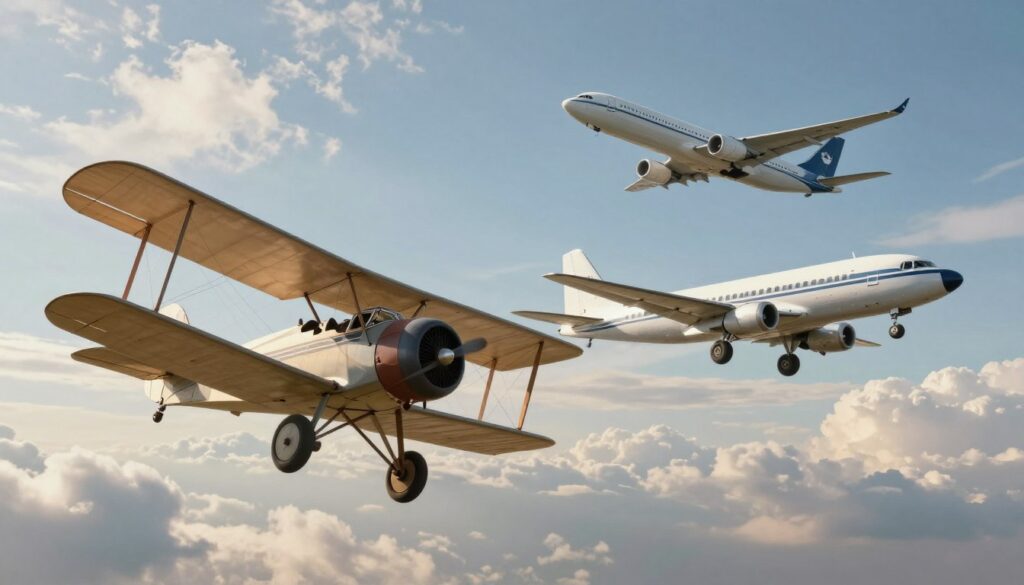
Transatlantic and transpacific flights present unique safety challenges due to their remote nature. To mitigate these risks, the airline industry has implemented several specific protocols and procedures.
Specific Safety Protocols
Safety protocols for long-distance flights include rigorous aircraft checks before takeoff, constant monitoring during flight, and contingency plans for emergency situations.
In addition, crews are trained to handle a variety of scenarios, from mechanical failures to medical emergencies.
ETOPS: Extended-range Twin-engine Operational Performance Standards
ETOPS is a critical standard for twin-engine aircraft operating on long-distance routes, especially over oceans, ensuring that these aircraft can operate safely even with one engine inoperative, allowing them to proceed to the nearest alternate airport.
Ocean Emergency Procedures
In case of an ocean emergency, procedures include activating distress signals, communicating with air traffic control centers, and, if necessary, ditching.
Crews are trained to execute these procedures efficiently, minimizing risks to passengers and crew.
Safety on transatlantic and transpacific flights is an ongoing effort involving advanced technology, rigorous training, and well-defined protocols. With these measures in place, the airline industry maintains an impressive safety record.
How Transatlantic and Transpacific Flights Work in Practice
These flights are complex operations that require careful planning and precise execution.
Phases of a Typical Intercontinental Flight
A typical intercontinental flight involves several critical phases. The first phase is route planning, including defining the trajectory the aircraft will follow, considering factors such as winds, weather conditions, and airspace restrictions.
Following planning, the takeoff phase follows, where the aircraft gains altitude and heads towards the pre-defined route. During the flight, the crew constantly monitors the aircraft’s systems and weather conditions, making adjustments as needed.
The cruise phase is the longest, where the aircraft flies at a constant altitude, consuming fuel efficiently. Finally, the descent and landing phase requires precision and coordination with air traffic control authorities.
Specific Operational Challenges
Intercontinental flights face unique operational challenges, such as fuel management, adverse weather conditions, and the need to keep crew and passengers safe and comfortable for extended periods.
One of the main challenges is fuel management, because the amount of fuel required for an intercontinental flight is enormous, and any deviation from the planned route can result in excessive fuel consumption.
Fuel Management and Alternatives
Fuel management is important on intercontinental flights. Airlines use advanced algorithms and real-time weather data to optimize fuel consumption.
In addition, modern aircraft are equipped with fuel management systems that help monitor and adjust fuel consumption during flight.
In emergencies, crews are trained to make quick and effective decisions, such as diverting to an alternate airport if necessary.
Crew and Operational Requirements
Long-haul flights require a highly trained and experienced crew. The flight crew is responsible for ensuring the safety and comfort of passengers during transatlantic and transpacific flights.
Crew Composition on Long-Haul Flights
The crew on intercontinental flights consists of experienced pilots and flight attendants trained to handle passenger needs over extended periods.
The presence of pilots capable of operating complex aircraft is essential, as are flight attendants who can attend to the medical and comfort needs of passengers.
Conclusion
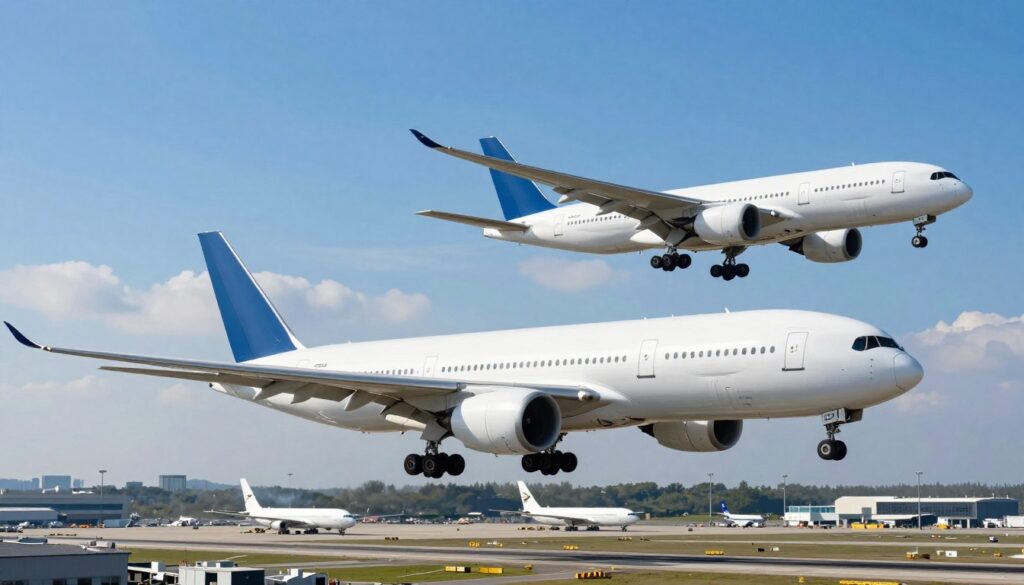
Transatlantic and transpacific flights play a truly important role in modern aviation, connecting continents and cultures.
Over the last few decades, these flights have evolved significantly, from the first flights across the Atlantic to the modern long-range aircraft used today.
Safety, route planning, and navigation technology are important aspects that ensure the efficiency and safety of these journeys.
The passenger experience was also highlighted, showing how airlines work to offer comfort and entertainment during long flights.
Furthermore, we discussed the operational challenges faced by crews and the importance of training and international regulations.
Transatlantic and transpacific flights are marvels of modern engineering that continue to evolve, connecting the world safely and efficiently.