Anúncios
Planning an overseas trip requires much more than just buying tickets, as transporting pets involves detailed logistics that ensure your companion’s well-being.
Mastering international travel regulations is the first step to avoiding unpleasant surprises at the airport. Careful planning transforms what would be a bureaucratic challenge into a smooth and safe experience for everyone involved.
Anúncios
Today, we will simplify this process, focusing on the essential fundamentals for those who wish to fly with animals without stress.
Global Documentation and Sanitary Requirements.
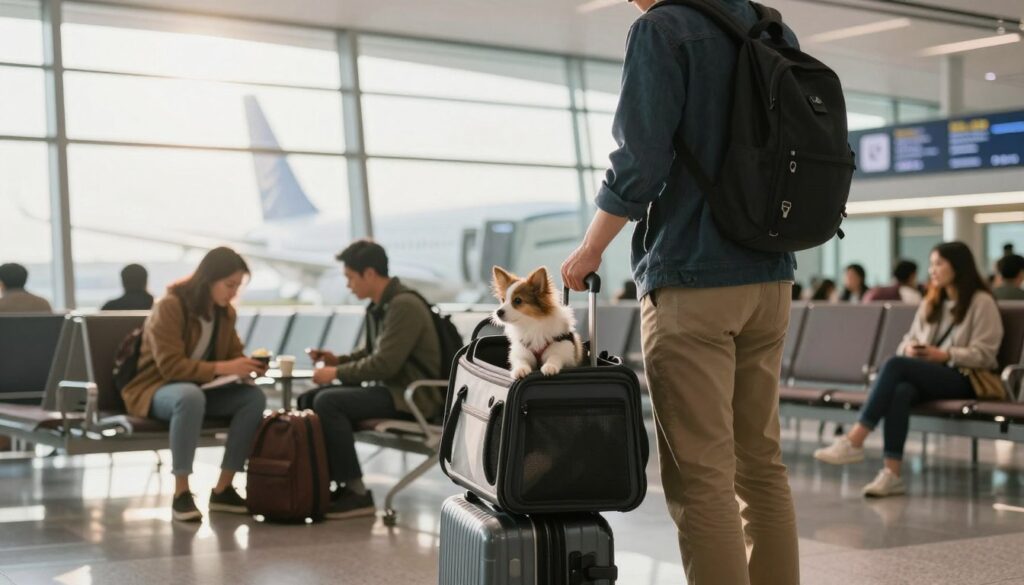
Navigating international sanitary requirements may seem challenging, but it’s essential for the success of your trip.
When planning to fly with animals, strict adherence to regulations ensures your companion is well-received at your destination. Treating the paperwork as an act of care avoids unnecessary setbacks.
Anúncios
Veterinary Certificates and Health Certificates
A veterinary health certificate is one of the most critical documents for animals at any border, proving that your pet is fit to travel and shows no signs of infectious diseases.
Make sure the document is signed by a qualified professional and within the validity period required by the destination country. Accurate information prevents the animal from being prevented from traveling.
Microchipping and Mandatory Identification
Permanent identification is one of the most common international travel rules today. The microchip for animals acts as a digital passport, ensuring that the pet can be identified anywhere in the world.
International Microchip Standards
For the system to function, the device must comply with international standards ISO 11784 and 11785, ensuring that readers from different countries can access your pet’s data without fail.
Always check that the microchip number is correctly registered on all health certificates, preventing serious problems at customs.
Vaccination and Quarantine: What You Need to Know
Pet vaccinations must be strictly up-to-date, especially against rabies. Many countries require a waiting period after vaccination before allowing the animal’s entry.
- Check the vaccination schedule required by your destination country.
- Keep your original vaccination card readily available.
- Check if a quarantine period is required.
- Plan your immunization months in advance to avoid restrictions.
Choosing the best way to transport your pet.

Air travel safety begins with choosing the right accommodation method for your pet. Deciding between the cabin or the cargo hold depends directly on the animal’s size, weight, and temperament.
Carriage travel: weight and size limits
Carriage travel is generally reserved for small animals that can travel close to their owners. Each airline establishes strict weight limits, which usually include the weight of the pet carrier or crate.
- Check the total weight limit allowed by the company.
- Confirm the maximum dimensions of the carrier bag.
- Ensure the animal can stand and turn around inside the space.
Transport in the cargo compartment: safety and comfort
When the animal exceeds the limits of the cabin, transport in the cargo compartment becomes the necessary alternative. Even though it may cause concern, air transport of animals in climate-controlled areas is carried out with rigorous safety protocols.
The main focus is to ensure that the pet remains calm and protected throughout the flight. Choosing an experienced animal logistics company makes all the difference for the owner’s peace of mind.
IATA-approved transport crates
To guarantee the physical integrity of your companion, it is mandatory to use a pet transport crate that complies with IATA standards, ensuring that the equipment is resistant and suitable for the flight environment.
Ventilation and internal space requirements
IATA standards require that the crate offer adequate ventilation on all sides to allow constant air circulation. In addition, the internal space must allow the animal to move naturally.
- The material must be rigid and leak-proof.
- The door must have a secure locking system.
- The interior needs to be lined with absorbent material.
- The size must allow the pet to stand upright without touching the ceiling.
Golden Tips for Ensuring Pet Well-being During Flight
Careful preparation is the secret to reducing stress on pet trips and ensuring a serene flight.
By planning every detail, you transform the experience of flying with animals into a much more welcoming one for your best friend.
Physical and Emotional Preparation of the Animal
Before the scheduled date, encourage your pet to spend time in the carrier. Place toys or a piece of clothing with your scent inside to create a familiar and safe environment.
Performing light physical exercise a few hours before boarding helps to expend accumulated energy, significantly contributing to the animal’s well-being on flights and allowing the pet to be more relaxed during the journey.
Feeding and Hydration Before and During the Trip
Food should be light and offered in advance to avoid gastric discomfort. Avoid heavy meals a few hours before boarding, as stress on pet trips can cause nausea.
Keep the animal hydrated, but without excess. If the airline allows it, use water bowls fixed to the carrier to ensure the animal’s comfort on the plane throughout the journey.
How to deal with layovers and international connections
Layovers with animals require extra attention from the owner. Therefore, always check with the airline staff if it is possible to visit the pet in the cargo hold or if it needs to remain on the aircraft.
For those traveling long distances with dogs and cats, planning connections is vital. Consider the following points to maintain peace of mind:
- Check the available time between flights to avoid rushing.
- Confirm that the airline offers support for the animal’s comfort on the plane.
- Stay calm, as your pet senses your energy during layovers with animals.
- Make sure the carrier is clean and has comfortable blankets.
Conclusion
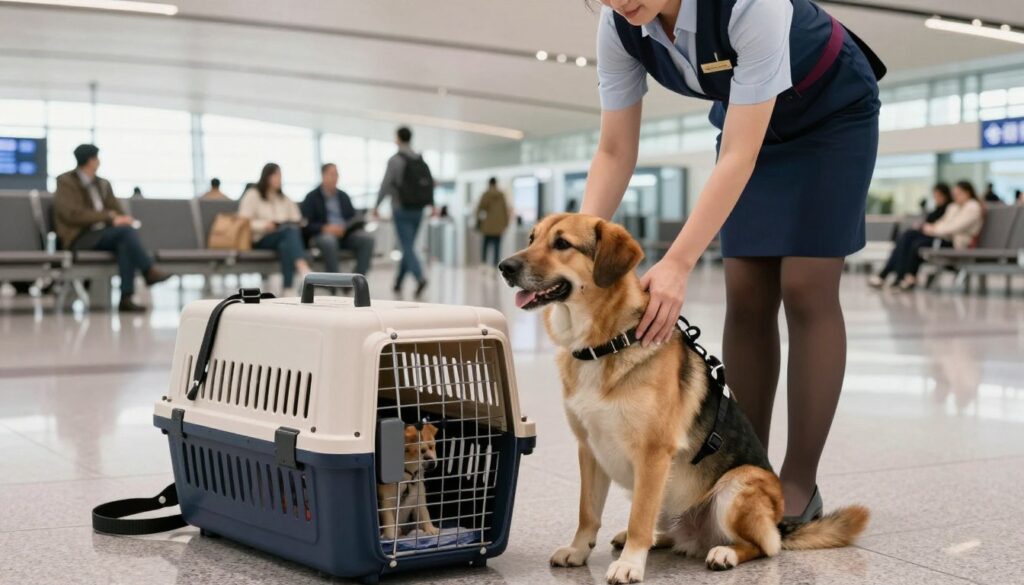
Planning an international trip requires dedication, but the effort is rewarded by the possibility of keeping your companion close by on new discoveries.
The success of flying with animals depends directly on your ability to anticipate needs and meet sanitary requirements.
Staying calm and providing comfort to your pet transforms the journey into a positive and memorable experience. Patience and constant care are your best allies throughout the trip.