
Anúncios
Have you ever wondered whether your travel document truly guarantees entry to your destination, even if it hasn’t yet reached its expiration date?
Many people believe that as long as a document is still valid, there won’t be any issues when traveling by air. However, the reality can be quite different—and may come as a surprise to the unprepared traveler.
Anúncios
Today, we’ll look at how to handle air travel when your passport is nearing its expiration date.
How to find out if your destination requires additional passport validity
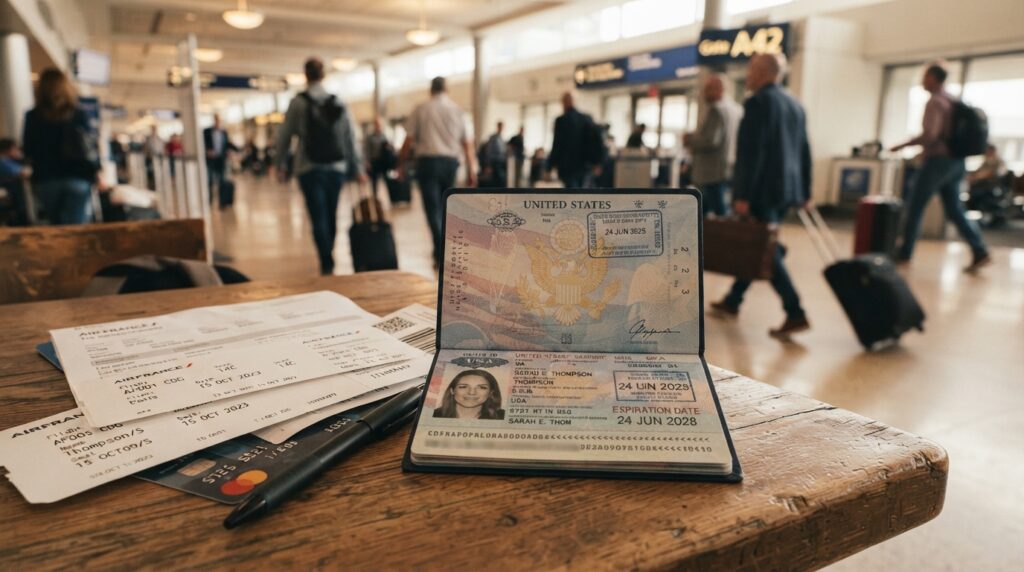
Did you know that the expiration date on your travel document might not be sufficient for entry into certain countries? Many nations impose specific criteria that go beyond the simple expiration date printed on the cover of your passport.
Understanding the minimum passport validity required is an essential step to avoid issues at the airport. Overlooking these details could lead to an unexpected denial of boarding.
Anúncios
Requirement for validity for several months beyond your arrival
Many destinations around the world require travelers to hold a document that remains valid for three to six months beyond their planned date of return. This ensures you have sufficient time to address any unforeseen circumstances during your stay.
Always check whether your document covers this additional period required by local authorities. Being mindful of this simple rule helps you avoid unnecessary complications right at the start of your journey.
Countries that may require blank pages for visas and stamps
Beyond the expiration date, the number of blank pages in your passport is a detail often overlooked by travelers. Some countries require a minimum number of empty pages for affixing visas and applying immigration control stamps.
If your passport is nearly full, consider renewing it before you depart. Having enough space ensures you won’t encounter problems when passing through immigration in destinations that require extensive documentation.
Where to check official rules before purchasing your ticket
To ensure you are following the correct entry requirements, it is crucial to seek information from reliable sources. Do not rely solely on accounts from other people or outdated information found online.
The destination country’s immigration authority website
The official government portal of the country you intend to visit is the most reliable source. There, you will find precise guidelines regarding required documents and permitted lengths of stay.
Guidance from your airline
Airlines use integrated systems that verify the specific requirements for each route. Contact the airline or transport company to confirm whether your document meets the requirements for boarding.
Consulate or relevant diplomatic mission
For complex inquiries, the consulate is the best point of contact for clarification; they can confirm current entry requirements and provide guidance on whether visas or additional documentation are necessary.
Following these recommendations ensures a smooth and secure journey. Remember that checking the number of blank pages in your passport and its expiration date is the responsibility of every conscientious traveler.
When a passport nearing its expiration date can prevent you from boarding
Did you know that having a confirmed flight ticket does not, in itself, guarantee that you will be allowed to board?
Often, the excitement of planning a trip leads travelers to forget that airlines have a legal obligation to verify that passengers meet all the requirements set by their destination country.
Upon arrival at the airport for an international flight, ground staff will thoroughly check your documentation. Any irregularity can result in you being denied permission to travel, even if you have already paid for your ticket.
Documents that do not meet the minimum validity period required by the destination
Every nation has specific rules regarding the minimum validity period required at the time of entry. If your travel document is nearing its expiration date, it may be rejected by immigration authorities or the airline itself.
It is essential to verify that your passport meets the required validity period—which, in many cases, must extend at least six months beyond your planned return date.
Overlooking this simple rule is one of the most common reasons why travelers are prevented from boarding international flights.
Damaged or illegible passports, or passports with inconsistent information
A damaged passport—one with torn pages, water stains, or illegible data—may be considered invalid. The physical integrity of the document is crucial for optical scanning systems to function correctly.
Furthermore, any discrepancy between the information printed in your passport and the details on your flight ticket can raise red flags. Therefore, keeping your passport in good condition is a fundamental responsibility for every traveler.
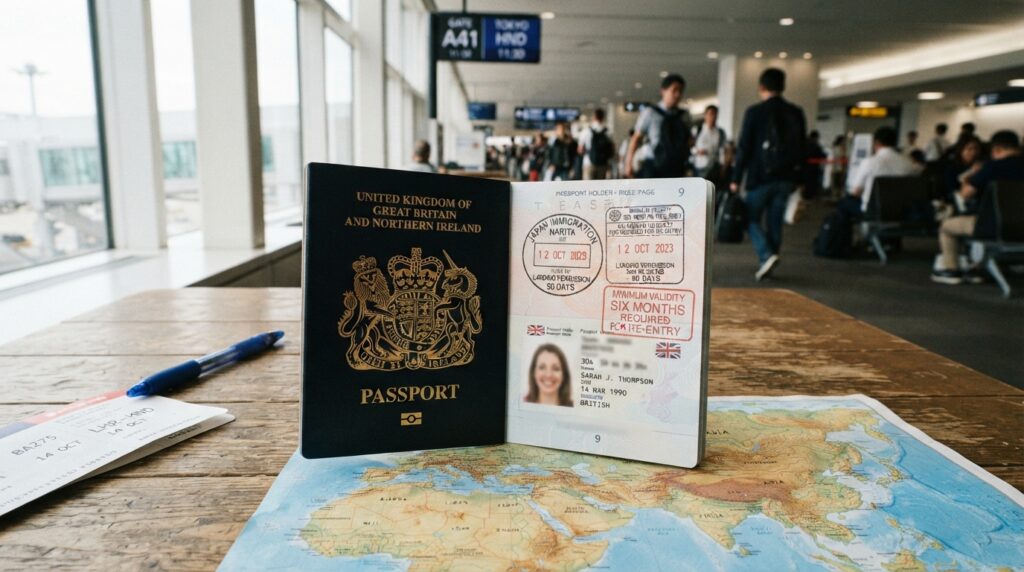
Passengers lacking a visa, electronic authorization, or mandatory documentation
In addition to a passport, many destinations require visas, electronic travel authorizations, or proof of vaccination. The absence of any of these mandatory items will prevent you from checking in.
Airlines face fines if they transport passengers who lack the proper documentation. Consequently, they are very strict in verifying that you possess all the permissions required to enter your destination country.
Risk of being denied check-in, even with a ticket already issued
It is important to understand that the issuance of your airline ticket does not replace a document check. The reservation system does not automatically validate whether your passport meets the specific standards of each country.
There is a real risk of being turned away at the check-in counter—something that can happen to anyone who has not prepared adequately. Always review all requirements before leaving home to avoid unpleasant surprises at the airport.
How to check entry requirements without relying on outdated information
Avoiding unpleasant surprises at the airport begins with consulting official and reliable sources. Many travelers make the mistake of relying on accounts from social media or old blog posts, which may not reflect current regulations.
To ensure a smooth trip, it is essential to access government channels directly. These are the only sources that provide the most accurate information regarding entry requirements for any given territory.
Verification via official immigration portals
Whenever you are planning a trip to a destination, look for the official website of that country’s consulate or immigration department. These pages contain up-to-date information on visas, document validity, and health requirements.
When navigating these portals, pay attention to the following points:
- Date of the page’s last update.
- List of mandatory documents for citizens of your country.
- Links to electronic travel authorization forms.
- Information regarding mandatory vaccines or insurance.
Checking specific requirements for international connections
Many people forget that an international connection may also require specific documentation. Even if you do not intend to leave the airport, some countries require a transit visa or prior authorization.
Check whether the transit airport requires you to go through immigration to switch terminals. If so, the passport validity rules may be just as strict as those for your final destination.
Reviewing the rules for tourism, work, study, and transit
Requirements vary drastically depending on the purpose of your stay. What is permitted for a tourist may not apply to someone traveling for work or academic purposes.
Different requirements based on the purpose of the trip
Always confirm that your passport meets the specific requirements for your visa category. Students, for example, often need an electronic travel authorization or a long-term visa, which may require a longer period of passport validity.
Rule changes close to your departure date
Entry requirements can change suddenly due to political or security-related developments. For this reason, I recommend checking official websites again about a week before your flight.
This final check helps you avoid being caught off guard by a new, last-minute requirement. Staying up to date is the best way to ensure that your international connection and your arrival at your destination go smoothly, without any unexpected issues.
What to do when your passport is only a few months away from expiring
Deciding whether it is time to renew your passport requires a careful review of the rules for your destination. Often, a passport may appear valid, yet fail to meet the specific immigration requirements of certain countries.
Choosing between renewing your passport and traveling with your current one
The first step is to check whether your destination country requires your passport to remain valid for at least six months beyond your planned return date. If your document is nearing this threshold, renewing it is the safest course of action to avoid issues with immigration authorities.
Accounting for processing times and potential delays
When planning to replace your passport, consider the official processing time. Unforeseen circumstances can arise, so building in a safety margin is essential to ensure your travel plans remain intact.
Avoiding last-minute renewal
Never wait until the week of your departure to renew your passport. Doing so increases stress and could lead to trip cancellations if the new document is not ready in time.
Checking requirements for presenting your old passport
Keep in mind that, in most cases, you will need to present your previous passport during your appointment.
Since passport processing times can vary, be sure to keep all your receipts and documentation organized from the very beginning of the process.
Conclusion

Traveling the world requires attention to details that ensure peace of mind throughout your journey. If your passport is nearing its expiration date, you must carefully review the regulations for each of your destinations, as well as any transit points along your itinerary.
Consulting official immigration sources helps you avoid unpleasant surprises at the time of departure.
Keeping an organized international travel checklist ensures that all necessary supporting documents, visas, and proof of requirements are on hand before you leave home.