Anúncios
Have you ever wondered if it’s possible to reach your final destination feeling refreshed, even after crossing multiple time zones? Many people believe that extreme fatigue is an unavoidable price to pay for visiting new places, but the reality can be quite different.
The experience of long-haul international flights goes far beyond simply sitting and waiting for time to pass. With the right strategy, every moment on board can become more comfortable and productive.
Anúncios
Today, we’ll explore how to make your next long-haul international trip a smooth journey.
How to prepare before boarding
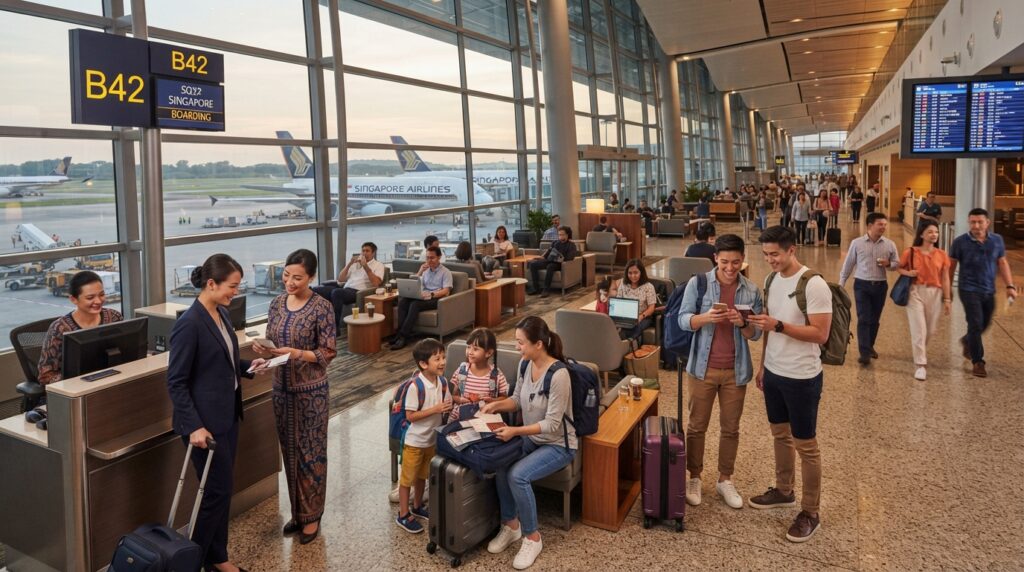
Preparing for an international trip begins long before you arrive at the airport. Taking the time to organize every detail ensures that the start of your journey is marked by peace of mind and security.
Documents, authorizations, and destination requirements
Checking your travel documents is the most important step in your planning process. Ensure that your passport meets the validity requirements of your destination country, and verify whether a visa or an electronic travel authorization is needed.
Anúncios
Some countries may also require proof of vaccination or specific health insurance coverage. Always consult the official embassy websites to avoid unpleasant surprises at check-in.
Choosing your seat: factors to consider
Your choice of airplane seat directly influences how well you can rest during the flight. Consider whether you prefer the convenience of being able to get up and walk around, or the tranquility of not being disturbed by other passengers.
Also, take into account the proximity to restrooms and galley areas, which tend to be busier. Online seat maps can help you visualize the aircraft’s layout and identify the best options for your personal preferences.
Organizing your carry-on luggage
A well-organized carry-on bag is essential for enduring long hours on board. Group your belongings into categories to ensure quick and easy access during the flight.
Hygiene and personal care items
Pack essentials such as a toothbrush, toothpaste, lip balm, and wet wipes. These items are helpful on long-haul flights, keeping you feeling fresh and comfortable even after many hours in the air.
Entertainment, chargers, and useful accessories
Don’t forget to pack noise-canceling headphones and portable chargers. Having a selection of movies, books, or podcasts downloaded onto your device ensures you’ll have constant entertainment, regardless of the aircraft’s connectivity.
Medications and documents that should be kept accessible
Always keep a folder on hand containing your passport, boarding passes, and proof of accommodation. In addition, carry any long-term prescription medications in your carry-on luggage, along with a medical prescription in English, should it be needed.
How to choose your seat for a more comfortable journey
Comfort on a long-haul flight begins long before takeoff—specifically, when you choose your seat. Every passenger has different priorities, and understanding the aircraft layout helps you make the best decision for your own well-being.
When selecting your seat, consider the total duration of the trip and your personal need for movement. Careful planning ensures you arrive at your destination feeling much more refreshed.
Advantages and limitations of a window seat
A window seat is the preferred choice for those who want a bit more privacy and a surface to lean against while sleeping. You won’t be disturbed by other passengers needing to get up during the flight.
On the other hand, the main drawback is the difficulty in accessing the aisle. If you like to walk around frequently to stretch your legs, a window seat may require you to ask your neighbors to move aside several times.
When an aisle seat is the most practical choice
Choosing an aisle seat is ideal for those who prioritize freedom of movement. You can get up at any time without having to interrupt the rest of the person sitting next to you.
This choice contributes significantly to your comfort on a long-haul flight, allowing you to move about the cabin whenever you feel the need. It is an excellent option for those who prefer to avoid a sense of confinement.
What to consider regarding rows near the exits
Rows near emergency exits typically offer extra legroom. This benefit is highly valued on long-duration flights, where every inch makes a difference.
However, you must be aware of the safety regulations for these seats. In some cases, the seatback may not recline fully, and you will not be permitted to stow carry-on luggage under the seat in front of you during takeoff and landing.
Things to keep in mind when choosing seats in the first or last rows
The first rows offer the advantage of a quicker disembarkation and less foot traffic from other passengers. However, they tend to be located near restrooms or meal preparation areas, which can result in constant noise.
The very last rows, meanwhile, may be noisier due to their proximity to the galley or the crew’s service area. Consider whether the convenience of being near the exit outweighs the potential noise-related discomfort while you are trying to rest.

What to pack for long hours on board
Preparing your carry-on bag is a crucial step in ensuring your well-being during a long-haul flight. Comfort on a long flight depends directly on the smart selection of items you keep within easy reach.
Clothing suitable for temperature changes
Airplane cabins often experience significant temperature fluctuations due to air conditioning. The best strategy is to dress in layers, using natural, breathable fabrics that allow for quick adjustments as needed.
Always bring a light jacket or a scarf, even if your final destination is a warm location. Choosing loose-fitting clothing helps maintain better blood circulation throughout the journey.
Items to help you rest
To make sleeping on a plane easier, invest in accessories that block out external stimuli.
A high-quality sleep mask and noise-canceling headphones are powerful tools for creating a sense of isolation.
An ergonomic neck pillow also makes a world of difference in preventing muscle aches. Don’t forget to include compression socks on your packing list for long flights, as they help reduce swelling in your legs and feet.
In-flight snacks and hydration
Staying hydrated is essential for arriving at your destination feeling refreshed. Drink water regularly—even if you don’t feel thirsty—to combat the dry air inside the aircraft.
As for food, opt for light, convenient snacks such as nuts, dried fruit, or whole-grain cereal bars. Avoid highly salty or processed foods, which can lead to fluid retention and abdominal discomfort.
Avoiding excesses that cause discomfort
Many travelers make the mistake of packing unnecessary items that simply take up precious space. Focus only on the essentials to keep your seating area organized and clutter-free.
Following these tips for long-haul flights will help you enjoy your travel time in a much more relaxed way—remember, less is more when the goal is to maintain peace and tranquility on board.
Nutrition, hydration, and well-being during the flight
How you eat during a long-haul flight directly impacts your well-being. Maintaining a balance between what you consume and your need for rest helps prevent that heavy, sluggish feeling upon arrival at your destination.
How to manage the meals provided by the airline
Airlines typically serve meals at times intended to help align passengers’ biological clocks. Try to follow the crew’s schedule, but don’t feel obligated to eat everything offered if you aren’t hungry.
Prioritize lighter options, such as salads or lean proteins, which are easier to digest in a low-pressure environment. On very long flights, spacing out your food intake can be a smart strategy to keep your energy levels consistent.
Why drinking water regularly makes a difference
Staying hydrated during a flight is one of the most important factors in avoiding fatigue and dry skin. The air inside the cabin is extremely dry, which accelerates fluid loss from your body—often without you even noticing.
Try to drink a glass of water every two hours, even if you don’t feel thirsty. Staying hydrated supports blood circulation and helps reduce swelling in your legs and feet.
Food and drinks that can increase discomfort
Certain items can cause gas or heartburn due to the expansion of gases within the digestive system at high altitudes. It is advisable to avoid specific types of food to ensure a more comfortable flight:
- Carbonated drinks, such as soft drinks and sparkling water.
- Foods high in sodium, which promote fluid retention.
- Legumes and cruciferous vegetables, such as broccoli or beans.
- Excessive consumption of alcoholic beverages, which rapidly dehydrate the body.
How to handle dietary restrictions
If you have allergies or intolerances, or if you follow a specific diet, you should start preparing before you even leave home. Most airlines allow you to request special meals at the time of booking or via their official website.
Do not wait until boarding to inform them of your requirements, as the supply of meals is limited. By confirming your request in advance, you ensure that the food provided on the plane aligns with your personal choices and health needs.
Conclusion
Planning every detail transforms the experience of long-haul international flights. The success of your trip depends on conscious choices made even before you leave home.
Organizing your documents and selecting the ideal seat ensures a smoother journey. Furthermore, following tips for long flights—such as staying hydrated and keeping your body in motion—helps reduce physical fatigue along the way.
Getting adequate rest helps minimize the effects of jet lag upon arrival. Small, thoughtful actions make reaching your destination far more pleasant and refreshing.