Anúncios
Many people believe that only frequent flyers or celebrities can access premium seats, but the reality might surprise you.
The truth is that strategic planning and knowledge of airline policies are powerful tools. With the right tactics, you can elevate your travel experience and secure a seat in business class without spending a fortune.
Anúncios
Here, we show how small adjustments to your behavior can open the door to a superior level of service.
Strategies to Maximize Your Chances of a Class Upgrade on International Flights
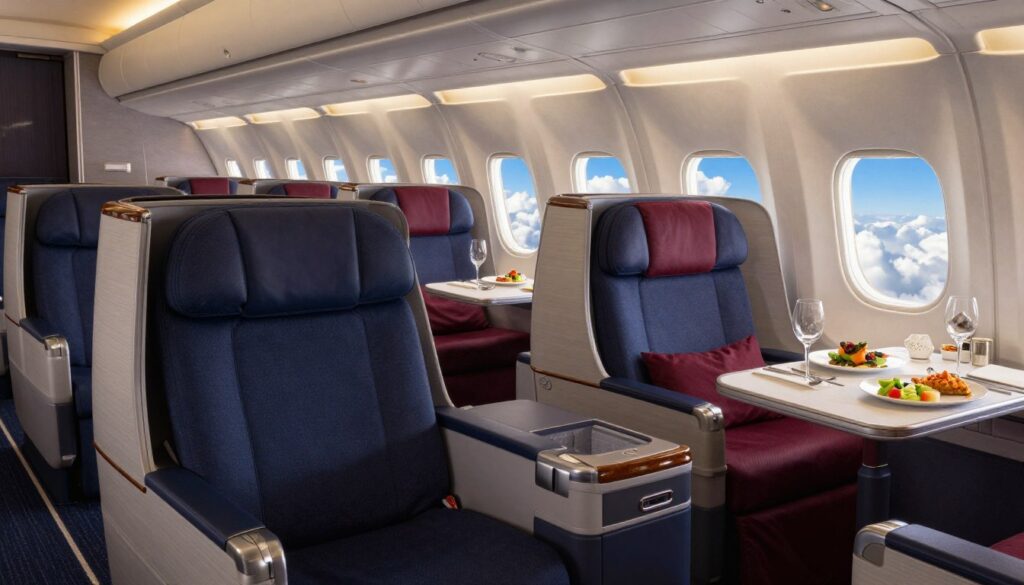
The secret to securing an international flight upgrade lies in the details of your planning.
Many passengers believe that extra comfort is merely a matter of luck, but there are effective ways to boost your odds.
Anúncios
By employing smart upgrade strategies, you transform from an ordinary passenger into a more attractive candidate for airlines. The focus should always be on planning ahead and making informed choices at every stage of your journey.
The importance of choosing flights with lower demand
Not all international flights offer the same likelihood of a seat upgrade. Long-haul flights operating at less popular times or on weekdays tend to have less crowded premium cabins.
To maximize your chances, consider the following points when booking your ticket:
- Avoid long weekends and school holiday periods.
- Prioritize flights departing mid-week, such as on Tuesdays or Wednesdays.
- Look for routes operated by larger aircraft, which have more available seats.
- Check flight occupancy on specialized websites before finalizing your purchase.
How flight history influences airline decisions
Airline systems monitor your behavior as a passenger. Your past flight history acts like a calling card that can tip the scales in your favor when the system automatically selects passengers for upgrades.
Airlines value the consistency and loyalty of frequent flyers. When a system needs to decide who receives a perk, it prioritizes those who have demonstrated an ongoing commitment to the brand.
Maintaining a positive track record on long-haul flights not only boosts your status but also makes you a preferred candidate for upgrades.
By combining these upgrade strategies with a solid flight history, you significantly increase your chances of enjoying a superior experience on your next international flights.
Using miles and points to ensure comfort
Strategically using accumulated points can unlock the level of in-flight comfort you’ve always wanted.
Average travelers often fail to realize that their accumulated balance is the most powerful tool for turning a long journey into a memorable experience.
When planning your next trip, keep in mind that your frequent flyer program offers much more than just free tickets.
With a little planning, you can secure access to premium cabins without spending a fortune in cash.
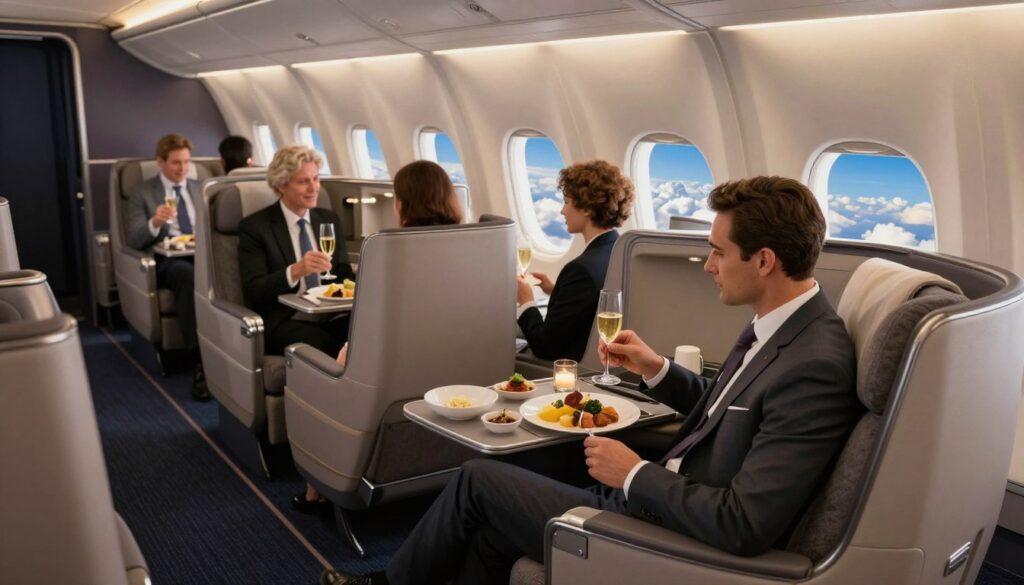
Direct booking for premium cabins
The surest way to travel with more space is to book a business class ticket directly using miles.
Many airlines allow you to use your frequent flyer miles to book the ticket directly in your desired class, eliminating the uncertainty associated with upgrade requests made later.
To succeed, monitor availability in advance, as seats allocated for mileage redemptions are often limited. Choosing this option ensures your comfort on board from the moment you finalize the booking on the airline’s website.
How upgrade auctions work
If you already hold an economy class ticket, an upgrade auction offers a smart and exciting alternative. In this model, the airline invites passengers to bid a cash amount or points for a chance to upgrade their class of service.
The upgrade auction process is simple: you place a bid within a permitted range and wait for the airline to review it.
If your bid is accepted, you secure a seat in business class at a cost that is generally lower than a direct purchase.
Keep in mind that success depends on flight occupancy and the competitiveness of bids submitted by other passengers. Therefore, using your frequent flyer program wisely is undoubtedly the best way to elevate the standard of your international travel.
Etiquette and behavior that can help
Small gestures of travel etiquette can completely transform your experience at the service counter.
The way you present yourself and interact with the airport check-in staff directly influences the level of service you receive.
Maintaining a respectful and personable demeanor at check-in is the best strategy for establishing a positive connection. Airline staff deal with hundreds of people daily and appreciate passengers who show empathy.
The importance of attire and posture at check-in
Although there is no strict dress code, presenting yourself in a neat and tidy manner conveys professionalism and respect. A confident yet polite demeanor helps establish clear communication with the airline agent.
Avoid overly casual or sloppy clothing, as first impressions matter. When you show care for your appearance, staff members tend to respond with more attentive and helpful service.
How to approach airline staff with courtesy
Courtesy is a powerful tool that opens doors during high-pressure situations. When starting the airport check-in process, a genuine smile and a cordial greeting can significantly improve the agent’s mood.
Remember that the staff member is a human being who may be under pressure. Therefore, practicing good travel etiquette means being patient, listening carefully, and thanking them for their assistance, regardless of the final outcome of your request.
The ideal time to ask for an upgrade
Timing is one of the best-kept secrets for those wishing to travel in greater comfort. Success often hinges on small decisions made even before reaching the boarding gate.
Applying the best upgrade strategies requires patience and a keen eye for the situation at the airport.
Why early check-in isn’t always the best option
Many travelers believe that checking in the moment it becomes available increases their chances of a complimentary upgrade. However, airline automated systems typically process upgrades based on strict criteria regarding status and the fare paid.
Checking in too early can lock you into a specific seat before ground staff have assessed the aircraft’s actual occupancy.
Waiting a little longer gives agents a clear picture of who has actually shown up for the flight.
It pays to be patient at check-in, avoiding the kind of rush that might limit the options available to the crew. Letting the system work in your favor is a smart tactic for anyone seeking a last-minute opportunity.
Strategic approaches at the airport counter
When you reach the counter, the way you communicate makes all the difference.
Use upgrade strategies rooted in politeness and clarity; treat the staff member with respect, bearing in mind that these professionals deal with stressful situations all day and appreciate cordial passengers.
When speaking to the agent, casually ask if there is seat availability in higher classes.
Maintaining a professional and friendly demeanor at check-in opens doors that aggressive persistence never would. If the answer is no, accept it gracefully—kindness can be remembered on future trips.
Conclusion
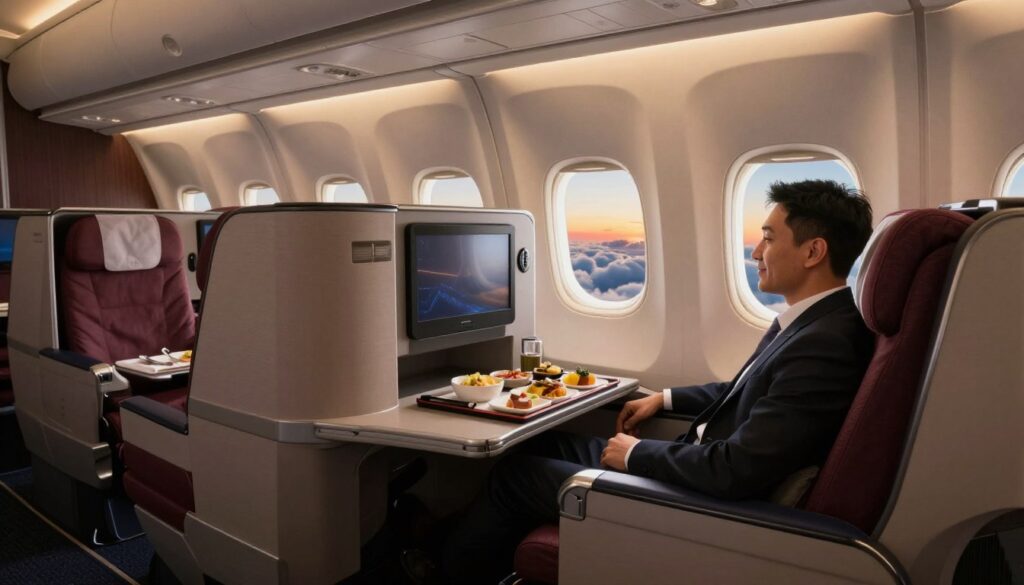
Mastering the art of securing an upgrade requires a balanced mix of strategy, patience, and airline loyalty. Success depends on how you apply these travel tips when planning each trip.
Prepare in advance and keep an eye out for opportunities that arise before boarding.
Every detail counts when it comes to securing a seat in business or first class. Good luck on your next flight, and enjoy every moment of your journey in maximum comfort.