Anúncios
Have you ever wondered how airlines manage to operate long-haul nonstop flights while keeping passengers comfortable and safe?
Modern aviation allows air routes to be covered over long distances, thanks to advanced technology and careful planning.
Anúncios
These long-haul flights are a marvel of engineering and logistics, allowing people to travel the world efficiently.
Here, we’ll learn more about the longest commercial flights in the world.
Specialized Aircraft for Extreme Distances
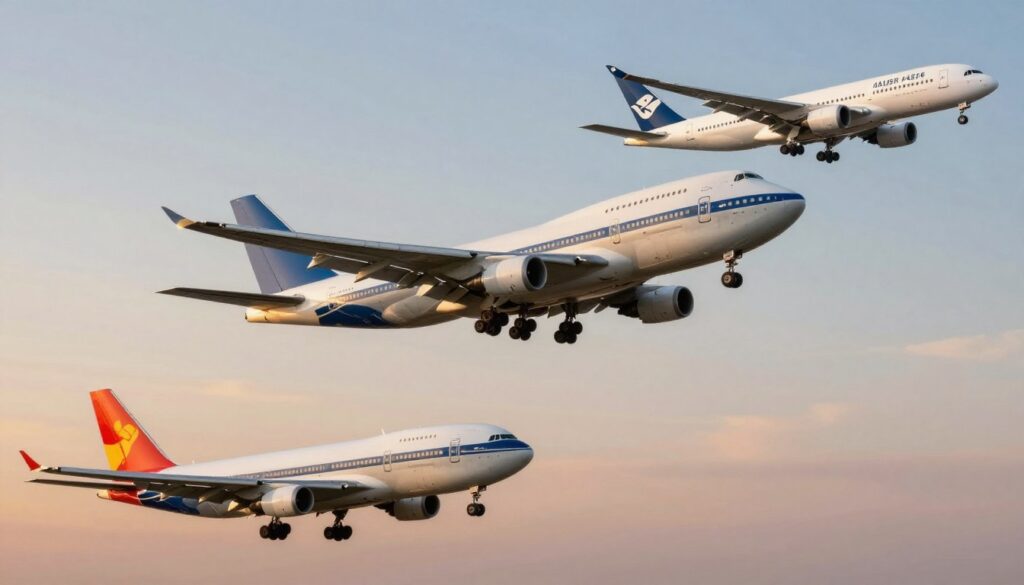
The technology behind long-haul aircraft is fundamental to modern aviation. Flights lasting more than 18 hours require not only passenger comfort but also aircraft designed to overcome extreme challenges.
Anúncios
Airbus A350 ULR: The Champion of Long-Haul Flights
The Airbus A350 ULR (Ultra Long Range) is an example of an aircraft designed for long-haul flights. With a capacity to carry up to 325 passengers, depending on the configuration, this model is known for its fuel efficiency and extended range.
Boeing 787 Dreamliner: Efficiency and Comfort
The Boeing 787 Dreamliner is another model that has excelled in long-haul flights. Its construction with composite materials reduces the aircraft’s weight, resulting in lower fuel consumption and greater efficiency.
Boeing 777X: The New Generation
Boeing is developing the 777X, an aircraft that promises to revolutionize long-haul flights with its longer wings and improved efficiency.
Technological Innovations
These aircraft feature significant technological innovations, such as advanced navigation systems and lightweight materials.
Capacity and Range
The capacity and range of these aircraft are fundamental for performing long-distance non-stop flights.
| Aircraft | Range (km) | Passenger Capacity |
|---|---|---|
| Airbus A350 ULR | 18.000 | 325 |
| Boeing 787 Dreamliner | 14.320 | 290 |
| Boeing 777X | 16.090 | 426 |
The Science and Technology Behind Ultra-Long Flights
The science that allows airplanes to perform such long flights is complex and multifaceted, involving a combination of technological advancements in various areas.
Fuel Efficiency and Extended Range
Fuel efficiency is important for ultra-long flights. Airlines use aircraft designed to consume less fuel without compromising performance.
Aerodynamics and Aircraft Design
Aerodynamics plays an important role in the design of aircraft for long flights. The shape and structure of the aircraft are optimized to reduce air resistance.
Composite Materials and Weight Reduction
The use of composite materials in aircraft construction helps reduce weight, increasing fuel efficiency and range.
Advanced Navigation Systems
Advanced navigation systems are essential to ensure that flights follow the most efficient and safe routes.
| Technology | Benefit |
|---|---|
| Fuel Efficiency | Cost and emissions reduction |
| Advanced Aerodynamics | Improved performance and efficiency |
| Composite Materials | Weight reduction and increased efficiency |
| Navigation Systems | More efficient and safer routes |
Technical Challenges of Extreme Routes
Ensuring efficiency and safety on extreme routes is a constant technical challenge. Airlines face a number of obstacles to maintain safety standards while operating long-haul flights.
Route Planning and Weather Conditions
Route planning is important to avoid adverse weather conditions. Airlines use advanced weather forecasting systems to optimize routes and minimize delays.
Fuel Management and Range
Fuel management is important for long-haul flights. Aircraft are designed to maximize fuel efficiency, ensuring they can reach their destinations without stopovers.
Preventive Maintenance and Safety
Preventive maintenance is essential to ensure flight safety. Airlines implement rigorous maintenance programs to avoid technical problems.
Crossing Multiple Time Zones
Crossing multiple time zones can affect crew and passengers. Airlines adopt strategies to mitigate the effects of jet lag, ensuring safety and comfort on board.
| Technical Challenge | Mitigation Strategy |
|---|---|
| Adverse Weather Conditions | Advanced Weather Forecasting Systems |
| Fuel Management | Fuel Efficient Aircraft |
| Crossing Time Zones | Jet Lag Mitigation Strategies |
By addressing these technical challenges, airlines can ensure the safety and efficiency of long-haul flights, providing a comfortable travel experience for passengers.
The Human Factor: How Crews Cope with Long Flights
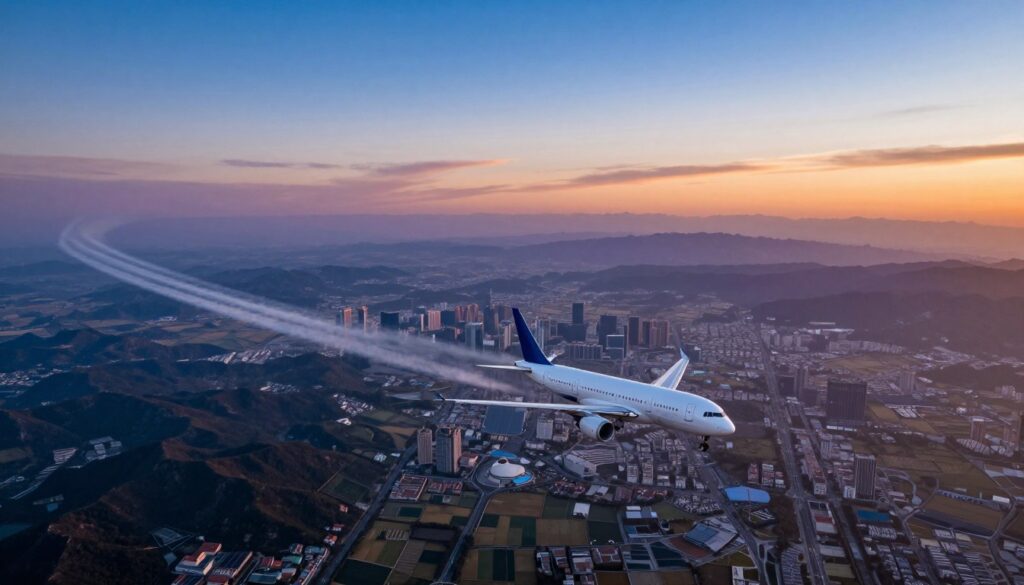
The crew is the heart of any flight, and on extremely long routes, their performance is crucial. Besides ensuring passenger safety, they also need to cope with the physical and mental challenges imposed by long periods in the air.
Pilot Shifts and Rotation
On ultra-long flights, airlines implement pilot shifts and rotations to ensure there is always someone rested and able to take the controls, helping to manage fatigue, one of the main challenges faced by crews.
Fatigue Management Strategies
In addition to rotation, crews use various strategies to combat fatigue, including specialized training in rest and relaxation techniques. Time management is also important to ensure that all crew members get the necessary rest.
Dedicated Rest Areas for Crew Members
Many modern aircraft have dedicated rest areas for crew members, equipped with beds and facilities to promote rest, essential for the crew’s well-being during long flights.
Specialized Training for Ultra-Long Flights
Specialized training is essential to prepare crews for the challenges of ultra-long flights, including training in stress management and techniques for maintaining concentration for extended periods.
| Strategy | Benefit |
|---|---|
| Pilot Relay | Reduces fatigue |
| Specialized Training | Improves performance |
| Rest Areas | Promotes rest |
Practical Tips for Surviving an Ultra-Long Flight
Ultra-long flights can be challenging, but with the right tips, you can make the experience more comfortable. Whether for a business flight or a leisure trip, knowing how to prepare and what to expect can make all the difference.
What to Pack in Your Carry-on Bag
A well-organized carry-on bag is important for long flights. Therefore, include essential items such as a water bottle, healthy snacks, a comfort kit (with eye mask, earplugs, and moisturizer), and entertainment devices.
Recommended Exercises and Movements
Staying active during the flight helps prevent fatigue and reduce the risk of thrombosis. Simple exercises such as leg stretches, ankle rotations, and push-ups can be done in your seat.
| Exercise | Benefit |
|---|---|
| Leg stretch | Improves blood circulation. |
| Ankle rotation | It reduces the risk of thrombosis. |
| Push-ups | Maintains shoulder mobility. |
Sleep and Rest Strategies
Getting a good night’s sleep during an ultra-long flight is a challenge. Therefore, use strategies such as adjusting your watch to the destination time zone, using sleep aids (such as masks and earplugs), and choosing a comfortable seat.
Health Care During the Flight
Stay hydrated and nourished during the flight. Avoid excessive alcohol and caffeine, and opt for light, nutritious meals.
Environmental Impact and Sustainability
The rise of ultra-long-haul flights has sparked debate about their environmental sustainability. As these flights become more common, their impact on the environment is under increasing scrutiny.
Carbon Emissions
Ultra-long-haul flights are significant contributors to carbon emissions. The aviation industry is responsible for around 2.5% of global CO2 emissions, with long-haul flights being a major part of this.
Airline Initiatives
Airlines are taking steps to reduce their environmental impact. This includes optimizing flight routes, reducing weight on aircraft, and improving fuel efficiency.
Sustainable Fuels
The development of sustainable aviation fuels (SAF) is a key area of focus. SAF can significantly reduce lifecycle emissions compared to traditional jet fuel.
The Dilemma Between Convenience and Ecology
There’s a delicate balance between the convenience offered by ultra-long-haul flights and their ecological impact. As demand grows, the industry must innovate to mitigate environmental harm.
| Initiative | Impact |
|---|---|
| Route Optimization | 5% reduction in emissions |
| Sustainable Fuels | Up to 80% reduction in emissions. |
Conclusion
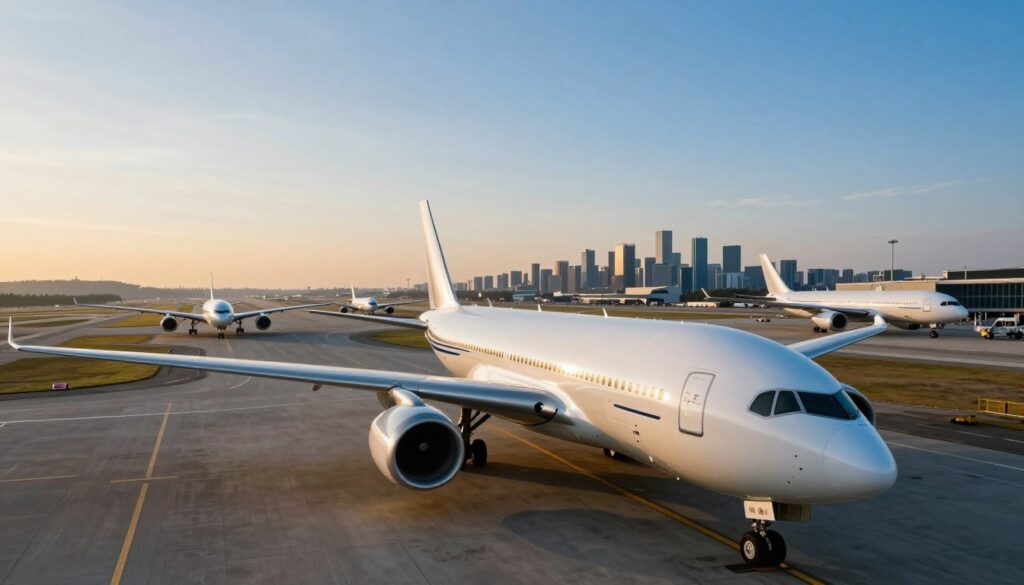
Aviation has evolved significantly over the years, allowing long-haul flights to become an accessible reality.
With advanced technology and specialized aircraft, airlines can offer direct routes between distant destinations, revolutionizing the way we travel.
The importance of long-haul flights cannot be underestimated, as they connect people and cultures around the world, boosting trade and tourism.
With the growing demand for long-distance air travel, the future of aviation looks promising. New technologies and operational strategies are being developed to meet passenger needs and minimize environmental impact.