Anúncios
Have you ever wondered what else an airplane hides beyond what we see on board? Even though many people have traveled by plane, there are secrets and curiosities that go unnoticed by most passengers.
From hidden buttons to secret compartments, airplanes are designed with details aimed at the safety and comfort of passengers.
Anúncios
Today, we will discover some of these secrets that few people know exist.
Interesting Facts About Air Travel: Surprising Technical Aspects
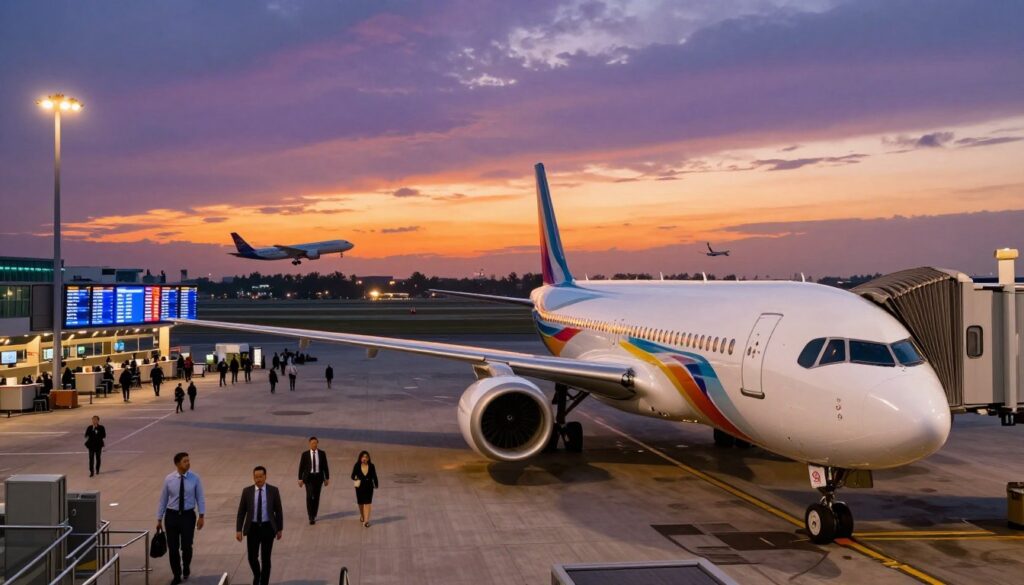
Behind the simplicity of commercial flights, there are truly surprising technical aspects that guarantee the safety and efficiency of air travel.
Why are airplanes mostly white?
Airplanes are painted white for several technical and practical reasons. White reflects the sun, helping to reduce the heating of the aircraft during ground parking. In addition, the white color makes it easier to detect damage or cracks on the aircraft’s surface, contributing to safety.
Anúncios
Another reason is that white paint helps preserve the integrity of the aircraft’s structure, reducing heat absorption and minimizing material deterioration.
The truth about the holes in the windows
Aircraft windows have small holes that may seem intriguing, called “breathing holes,” and they serve to equalize the pressure between the window and the cabin, helping to prevent the windows from being damaged due to the pressure difference between the inside and outside of the aircraft.
How airplanes withstand lightning and extreme weather conditions
Airplanes are designed to withstand adverse weather conditions, including lightning. The aircraft’s metal structure acts as a Faraday cage, protecting occupants from electrical discharges.
In addition, airplanes are equipped with lightning protection systems, including conductive materials and shielding devices.
- Lightning protection: Metal structure and protection systems.
- Turbulence resistance: Flexible wings and flight control systems.
- Extreme weather conditions: Navigation and weather forecasting systems.
These technical aspects are fundamental to ensuring the safety and efficiency of air travel, making aviation one of the safest forms of transportation.
Secrets of the Pilot’s Cockpit
Behind the scenes of commercial aviation, there are secrets that few know. The cockpit is a highly complex place where pilots need to be prepared for any situation.
What Pilots Don’t Tell Passengers
Pilots have access to information that passengers generally don’t know. They deal with alternative routes and contingency plans daily.
- Alternate Routes and Contingency Plans: Pilots need to be prepared to deviate from their original route due to adverse weather conditions or other factors, involving careful planning and effective communication with the control tower.
- Times When the Autopilot Really Kicks In: The autopilot is an important tool, but many passengers don’t know exactly when it takes over. It is during long, stable flights that the autopilot kicks in most frequently, allowing pilots to focus on other tasks.
Little-Known Emergency Procedures
Even though emergency procedures are rigorously trained, there are aspects that are less known to the public.
Pilots are trained to handle emergency situations, such as system failures or extreme weather conditions, and follow strict protocols to ensure the safety of everyone on board.
The Science Behind the Turbulence
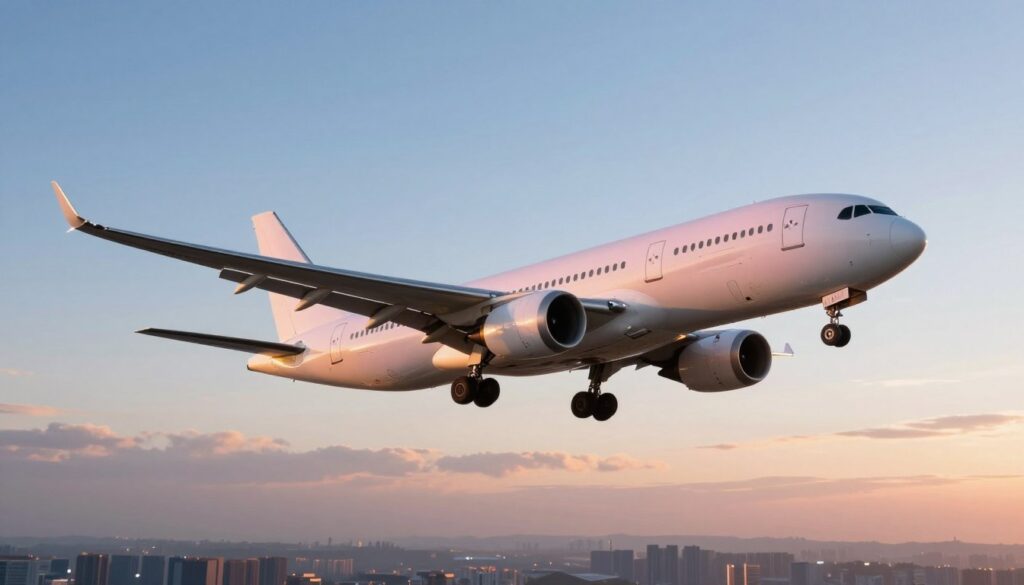
Understanding turbulence can transform your perception of flight safety. Turbulence is a common phenomenon during flights, characterized by irregular and unpredictable air movements. Even though it can be uncomfortable, turbulence is a normal part of aviation.
Why it occurs and when it is truly dangerous
Turbulence occurs due to variations in wind speed and changes in atmospheric pressure. It is caused by ascending and descending air currents that can be influenced by factors such as mountains, storms, and even the aircraft’s wing itself.
How pilots navigate through turbulence zones
Pilots use various technologies and techniques to navigate through turbulence zones. They rely on advanced weather forecasts and onboard turbulence detection equipment.
- Technologies for early detection: Systems such as weather radar allow pilots to detect areas of turbulence before encountering them. Additionally, information from other aircraft and weather stations helps anticipate adverse conditions.
- Maneuvers to minimize impacts: When encountering turbulence, pilots can adjust the aircraft’s altitude and speed to minimize the effects. They also ensure that all passengers have their seatbelts fastened.
What Happens to Trash and Waste During Flight?
During flights, a large amount of waste is generated, but have you ever wondered what happens to it? Waste management on airplanes is a difficult process involving several steps, from collection to disposal.
The fate of onboard waste
The waste produced during a flight includes everything from food packaging to personal hygiene items. All this waste is stored in specific compartments inside the aircraft.
At the end of the flight, the waste is unloaded and taken to appropriate treatment facilities. According to experts, the process of disposing of airborne waste follows strict regulations to avoid any negative environmental impact.
How aircraft toilets work
Aircraft toilets are designed to be efficient and hygienic, using vacuum systems to remove waste, which is then stored in specific tanks.
- The myth of “blue ice” falling from the sky: There’s a popular myth that airplane waste can fall from the sky, known as “blue ice.” However, this is quite rare and usually occurs under specific circumstances. Most aircraft have effective systems for storing waste until it’s disposed of on the ground.
- Vacuum and storage systems: The vacuum systems used in aircraft lavatories are designed to be hygienic and efficient. Waste is sucked into storage tanks that are emptied when the aircraft returns to the ground. These systems are fundamental for maintaining hygiene on board.
Myths and Truths About Air Quality in Cabins
Understanding air quality on airplanes is important for passenger safety and comfort. Commercial aviation has evolved to improve the flight experience, and one of the most important aspects is the air quality inside the cabin.
How the air is filtered and renewed
Air filtration on airplanes is done through advanced systems that remove particles and contaminants from the air. These systems use HEPA (High Efficiency Particulate Air) filters, which are capable of capturing up to 99.97% of airborne particles, including bacteria, viruses, and dust.
The air is constantly renewed to maintain internal quality. Renewal occurs through a process that combines fresh air from outside with the air already present in the cabin, which is then filtered and redistributed.
Impacts of pressurization on the human body
Cabin pressurization is essential for the comfort and safety of passengers and crew. However, pressure can have some effects on the human body.
- Why we get dehydrated on long flights: Low humidity inside the cabin can lead to dehydration if preventive measures are not taken, such as drinking plenty of water during the flight.
- Effects of altitude on taste and smell: Altitude can affect the perception of flavors and smells due to pressure and low humidity. This can make food less appetizing and alter sensory perception.
Conclusion
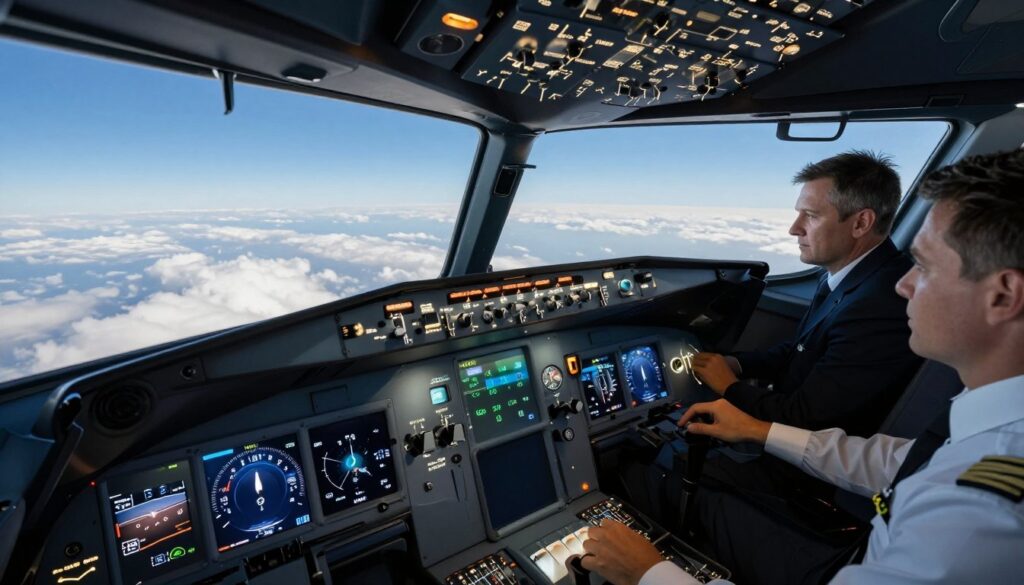
We explore various curiosities about air travel that reveal the complexity and fascinating world of commercial aviation.
From the technical aspects of aircraft to the secrets of the cockpit, every detail contributes to a safe and comfortable travel experience.
Curiosities about air travel allow us to appreciate even more the sophistication behind each flight.
Air travel is full of interesting surprises and wonders that often go unnoticed. By better understanding how everything works, we can make our trips even more enjoyable and safe.